Energy Efficiency Ratings & Home Buying in Missouri
Key Takeaways
- Energy-efficient homes in Missouri can significantly lower monthly utility bills, improve comfort during humid summers and cold winters, and boost long-term resale value by 1-5% in competitive markets.
- When touring homes in Columbia, Jefferson City, and surrounding Mid-Missouri markets, pay close attention to utility history, insulation levels, window quality, HVAC age and ratings, and any energy audit reports.
- Energy efficiency ratings like ENERGY STAR, HERS scores, and appliance SEER/AFUE ratings translate directly into potential savings for Missouri homeowners—sometimes hundreds of dollars monthly.
- Dustin March Real Estate can help buyers interpret listings and inspection findings, providing guidance on energy efficiency considerations during the home buying process.
- State and federal incentives available in Missouri can offset the cost of many efficiency upgrades when planned strategically during or right after purchase.
How Energy Efficiency Impacts Home Buying in Missouri
If you’ve spent any time in Mid-Missouri, you know our climate doesn’t hold back. Summers push 95°F with humidity that makes your AC work overtime. Winters bring bitter cold snaps that test every furnace in the state. And spring? Well, spring means storm season across Columbia, Ashland, Hallsville, Jefferson City, and the Lake of the Ozarks area.
This climate reality is exactly why energy efficiency matters so much when you’re shopping for a home here. A drafty older home with outdated windows and a struggling HVAC system isn’t just uncomfortable—it’s expensive. Missouri households spend roughly $2,500 annually on energy costs, and homes that haven’t been updated often run 10-15% higher than that benchmark.
Here’s what many buyers don’t realize until they’re a few months into homeownership: utility costs in Mid-Missouri can sometimes rival your principal and interest payments, especially in older homes with poor insulation and aging mechanicals. That beautiful 1960s ranch with the original windows might look great on paper, but those single-pane windows and uninsulated walls could add $200-$400 to your monthly budget.
Buyers are catching on. More and more people touring homes in our area ask about efficiency when they walk through—looking for newer roofs, double or triple-pane windows, insulated siding, and updated HVAC systems. These features have moved from “nice to have” to “need to know.”
At Dustin March Real Estate, we help buyers factor home’s energy efficiency into their offer price, negotiation strategies, and inspection requests. It’s not just about the wish list—it’s about making smart financial decisions that affect your housing costs for years to come.
Understanding Common Energy Efficiency Ratings & Terms
When you’re scrolling through listings or reviewing an inspection report, you’ll run into terms and ratings that might seem like alphabet soup. Let’s break down what actually matters so you can make sense of the data you’re seeing.
ENERGY STAR for Homes and Appliances
ENERGY STAR is a federal certification indicating that a home or appliance meets strict efficiency guidelines. Many Missouri builders in newer subdivisions around Columbia and Jefferson City now target ENERGY STAR standards. An ENERGY STAR certified home built after January 2017 typically performs 15-30% better than code-minimum construction—that’s real money back in your pocket every month.
HERS (Home Energy Rating System) Index
Think of HERS like a golf score—lower is better. A home built exactly to current code scores 100. A score of 70 means the home uses 30% less energy than code. A score of 0 would be a net-zero home producing as much energy as it consumes.
- Older 1960s-1980s home: HERS score 130-150+, uses 30-50% more energy than code
- Code-built new home: HERS score 100, meets minimum requirements
- ENERGY STAR home: HERS score 70-85, 15-30% better than code
- High-performance home: HERS score below 50, exceptional efficiency
SEER (Seasonal Energy Efficiency Ratio)
SEER measures air conditioner and heat pump efficiency. The national minimum is now around 14 SEER, but older units in many Mid-Missouri homes run at 8-10 SEER. Upgrading from a 10 SEER to a 20 SEER system can cut cooling costs roughly in half during our brutal July and August days.
AFUE (Annual Fuel Utilization Efficiency)
AFUE tells you what percentage of fuel your gas furnace actually converts to heat. An old furnace might run at 70% AFUE—meaning 30 cents of every dollar literally goes up the chimney. Modern condensing furnaces hit 95% AFUE or higher, which can slash winter heating bills significantly.
Window Ratings: U-Factor and SHGC
For windows, U-factor measures how well a window insulates (lower is better—aim for 0.30 or below in Missouri). Solar Heat Gain Coefficient (SHGC) indicates how much solar heat passes through. In Missouri’s mixed climate, a balanced SHGC around 0.25-0.40 works well—you want some winter solar gain without overheating in summer.
Where to Start: Evaluating a Home’s Energy Performance Before You Buy
You don’t need an engineering degree to spot efficiency red flags when touring homes. You just need to know what to look for—and what questions to ask—especially in older neighborhoods around Columbia, Moberly, and Fulton.
Your Quick Efficiency Checklist
Request utility bills: Ask the seller or listing agent for 12 months of electric and gas bills from utilities like Ameren Missouri, Boone Electric Cooperative, or City of Columbia Utilities. You’re looking for unusually high seasonal spikes that might indicate poor insulation or inefficient equipment.
Check the attic: If there’s attic access during your showing, take a quick look. Can you see the floor joists, or are they buried under insulation? In Missouri, you want around R-38 to R-49 in attics. Ask whether walls and basements have been insulated or air-sealed.
Examine windows and doors: Look for these warning signs:
- Condensation between panes (seal failure)
- Drafty feeling near sashes
- Single-pane windows in older homes
- Gaps around door frames
Double-pane Low-E windows are common in renovated Columbia bungalows and lake houses—they’re a great sign.
Inspect HVAC systems: Note the age of the furnace and AC unit (usually on a label inside the cabinet or on the outdoor unit). Look for visible ENERGY STAR labels. Check the SEER rating on the outdoor unit nameplate. Programmable or smart thermostats indicate owners who care about efficiency.
Assess the roof and exterior: Lighter-colored, properly ventilated roofs reduce heat gain during those 95°F+ summer days. Well-installed siding from quality local contractors helps maintain the thermal envelope. Look for visible ridge vents and soffit vents.
When to Go Deeper
A general home inspection covers the basics, but if you’re serious about an older or drafty home, consider scheduling a separate professional energy audit. This involves a blower door test that measures air changes per hour at 50 Pascals (you want under 3 ACH50 for good efficiency) plus thermal imaging to identify hidden air leaks.

Home Energy Audits & Programs Available in Missouri
A professional energy audit goes far beyond what you’ll learn from a standard home inspection. An auditor uses specialized equipment—including a blower door test, infrared camera, and combustion safety checks—to pinpoint exactly where energy is being wasted.
For buyers looking at older homes in Columbia, Jefferson City, or rural Boone County, an audit can be invaluable. It tells you not just that the home is inefficient, but specifically what needs attention and in what order of priority.
Timing Your Audit
You have two options:
During the inspection period: Request an audit as part of your due diligence. This gives you leverage for negotiation—if the audit reveals major issues like poor insulation or significant air leaks, you can ask for price reductions or seller credits. In some deals, sellers agree to pay for the audit when energy concerns come up during standard inspections.
After closing: A post-purchase audit helps you prioritize projects, time upgrades with seasons (insulating attics is cheaper in spring than December), and coordinate efficiently with contractors.
Missouri Programs Worth Knowing
Utilities serving Mid-Missouri have historically offered incentives for audits and upgrades. Programs from Ameren Missouri, Boone Electric Cooperative, and Columbia Water & Light have included free or discounted audits, rebates on insulation, and incentives for HVAC improvements. Programs change year to year, so verify current offerings before planning your budget.
Columbia Water & Light’s Efficiency Score program, for instance, has compared homes to their own optimized version using cost-effective upgrades, displaying both percentage efficiency and estimated annual costs.
What You Get from an Audit Report
A detailed audit prioritizes work into a practical sequence:
- Air sealing (often the best bang for your buck)
- Adding insulation to attics, walls, and crawlspaces
- Window and door replacements where needed
- Duct sealing and HVAC improvements
Dustin March Real Estate can help you interpret these findings in context—factoring them into offer price, repair requests, and realistic long-term budget planning.
High-Impact Energy Upgrades for Missouri Homes
After buying a home in Mid-Missouri, most owners quickly identify which upgrades will make the biggest difference. Here’s what typically tops the list—and why each one matters specifically in our climate.
Attic Insulation and Air Sealing
Boosting attic insulation to R-38–R-49 and sealing top plates, can lights, and attic hatches can dramatically reduce winter heat loss and summer heat gain. Homes built before the mid-1990s especially benefit from this work. Proper air sealing alone can cut energy waste by 10-20% because it stops conditioned air from escaping through hidden gaps.
Windows and Doors
Replacing older aluminum or single-pane wood windows with double or triple-pane, Low-E, argon-filled units makes a noticeable difference in comfort and efficiency. Properly weatherstripped exterior doors prevent drafts that make your HVAC system work harder.
Roofing and Ventilation
Modern shingle systems with proper ridge vents, intake vents, and quality underlayment keep attics cooler during Missouri heat waves and protect insulation from moisture damage. This is an area where storm restoration and efficiency upgrades often overlap—after hail damage, a properly designed roof replacement can improve both protection and performance.
Siding and Exterior Envelope
Insulated vinyl or fiber cement siding, installed correctly with house wrap and proper flashing, improves thermal performance and reduces drafts in older homes. The exterior envelope works as a system—when siding, windows, and doors all seal properly together, your heating and cooling systems don’t have to work as hard.
HVAC and Controls
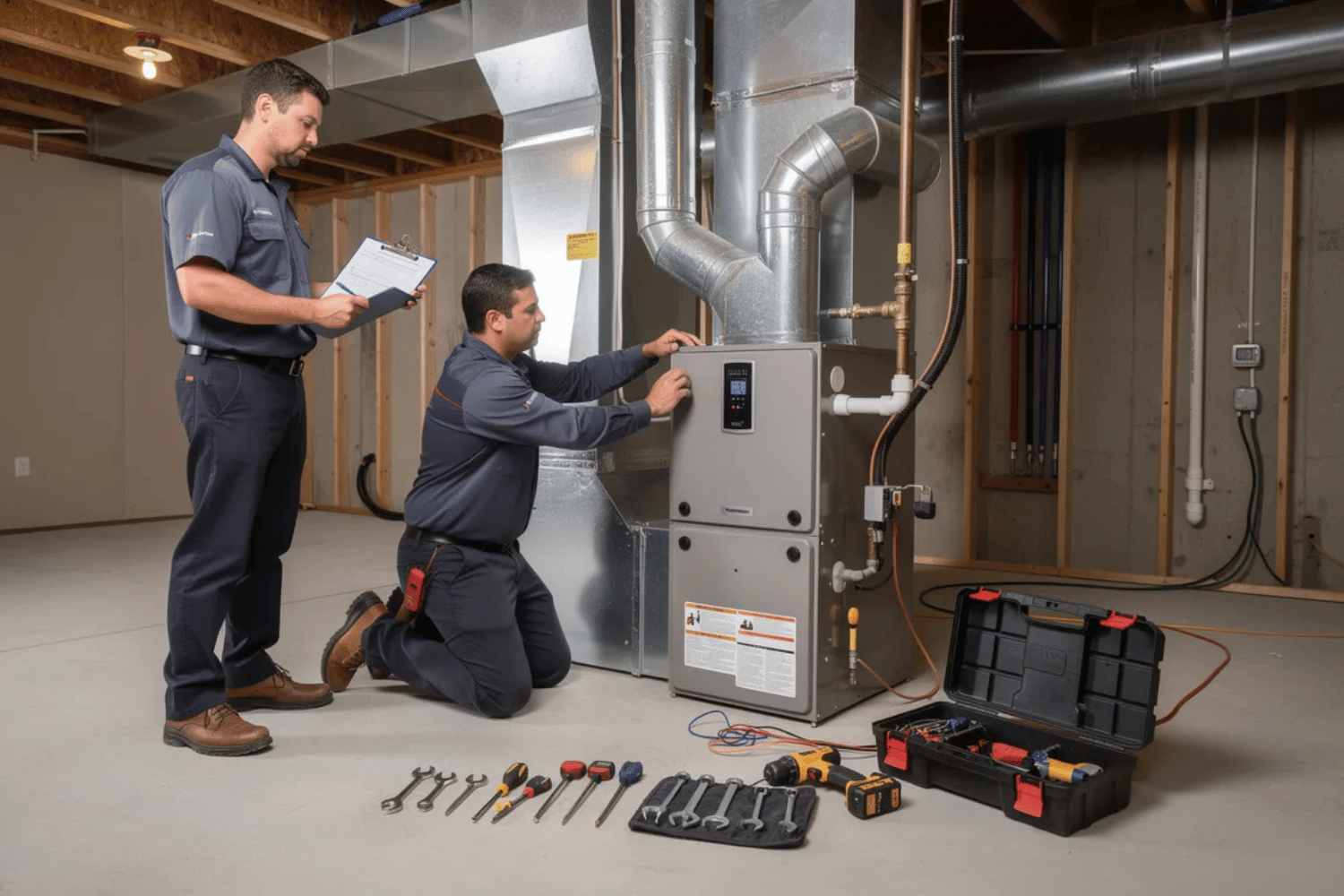
Upgrading from older 8-10 SEER AC units to 14-16+ SEER systems delivers immediate cooling savings. Replacing a 70-80% AFUE furnace with a 90-95%+ condensing furnace can save hundreds annually on heating. Smart thermostats add another layer of efficiency by adjusting temperatures based on your schedule and habits.
Consider the math: in St. Louis summers, a 20 SEER system can cut monthly cooling costs from $200 to $100 compared to an older unit. Over a 15-year equipment life, that’s potentially $18,000 in savings.
Financing, Incentives, and Negotiating Power for Efficient Homes
Efficient homes can be worth more, but you need to understand how to factor that into offers, negotiations, and financing in Columbia and Mid-Missouri markets.
Running the Real Numbers
When comparing two similar homes—one energy-efficient and one not—estimate monthly utility costs and factor those into your effective housing budget. A home that costs $50 less per month in utilities is effectively $50 per month cheaper to own. Over a 10-year period, that’s $6,000 in energy savings you can apply toward a higher purchase price while keeping your total housing cost equal.
Negotiation Strategies
Inspections and audits give you concrete leverage. If you identify obvious efficiency issues—missing attic insulation, a failing 20-year-old furnace, single-pane windows throughout—you can negotiate:
- Price reductions to cover upgrade costs
- Seller credits applied at closing
- Repair agreements completed before closing
The key is having specific numbers. “The home needs insulation work” is weaker than “The energy audit shows R-11 attic insulation where R-38 is recommended, and upgrading will cost approximately $3,500.”
Federal and State Incentives
Federal energy efficiency tax credits have expanded significantly under recent legislation, with homeowners potentially eligible for up to $3,200 annually for qualifying audits and improvements. Confirm current programs each tax year, as details and limits change.
In Missouri, various rebates from utilities like Ameren can offset $500-$2,000 on qualifying HVAC installations. These incentives can make upgrades far more affordable when planned strategically.
Financing Options
Some Missouri lenders offer energy-efficient mortgages or renovation loans allowing buyers to roll efficiency upgrades—new roofs, energy-efficient windows, improved siding—into their mortgage. This spreads costs over 15-30 years at mortgage rates rather than paying cash or using higher-interest credit.
Dustin March Real Estate helps buyers understand how appraisal, insurance, and inspection considerations intersect when energy upgrades are part of the transaction.
How Dustin March Real Estate Supports Energy-Savvy Buyers
Picture this: you’re comparing a charming older home near downtown Columbia with a newer, more efficient home on the edge of town. The older home has character and location, but the windows are original and the furnace is pushing 25 years. The newer home costs $30,000 more but has modern everything.
This is where the real work begins. Dustin March Real Estate helps clients run the actual numbers—not just the purchase price, but the total cost of ownership including projected utility bills, upgrade costs, and long-term value.
The Dustin March Approach
From the first consultation, we ask questions that many buyers don’t think about: Are you sensitive to drafts? Have high utility bills burned you before? Do you have allergies that make indoor air quality important? These concerns matter just as much as bedroom count and square footage.
During showings, we help clients notice both red flags and positive signs related to efficiency:
- Age and condition of mechanicals
- Window quality and operation
- Attic access and visible insulation
- Roof type and visible ventilation components
- Exterior condition and siding integrity
For homes needing updates, we connect clients with trusted local contractors for detailed quotes on roofing, siding, windows, doors, decks, and gutter systems. These improvements boost both curb appeal and efficiency—making your home more comfortable today and more valuable when it’s time to sell.
Ready to find a home that balances efficiency with everything else on your list? Contact Dustin March Real Estate to start a home search that intentionally factors in energy performance.

FAQs
Does an energy-efficient home really sell for more in Mid-Missouri?
While appraisals don’t always line-item every upgrade, homes with newer roofs, efficient windows, and updated HVAC systems consistently attract more buyer interest and stronger offers in Columbia and Jefferson City. Studies from other markets show energy-efficient homes can command 1-5% price premiums—on a $300,000 Mid-Missouri home, that could mean $3,000-$15,000 in additional value.
How can I quickly tell if a Missouri home will be expensive to heat and cool?
Run through this quick visual check during any showing:
- HVAC age: Look for manufacture dates on furnace and AC units—anything over 15 years may be nearing replacement
- Windows: Single-pane, foggy between panes, or drafty around sashes all signal problems
- Attic insulation: If you can see floor joists, insulation is inadequate
- Air leaks: Feel around doors and windows for drafts; look for gaps in baseboards
- Roof condition: Missing shingles, poor ventilation, or dark staining suggest issues
Request a full year of utility bills from the seller and compare to similar-size homes when possible. For older houses, consider an energy audit for precise answers before making an offer.
Should I get an energy audit before or after I buy a home?
Both approaches have value. An audit during the inspection period provides negotiation leverage—if you discover poor insulation or major air leaks, you can request repairs or credits. This works especially well for older homes where efficiency issues are suspected but not visible.
Post-closing audits help new owners prioritize projects logically, time upgrades with seasons (fall is ideal for insulation and air sealing work), and coordinate with contractors for bundled improvements. Talk with Dustin March early in your search about which approach makes sense for your situation and timeline.
Are energy efficiency upgrades worth doing if I plan to move in a few years?
Some upgrades have quick payback periods that make sense even with a 3-5 year horizon. Air sealing, attic insulation, and smart thermostats often pay for themselves in reduced utility bills before you’d sell. These improvements also increase comfort immediately—no more dealing with drafty rooms or sky-high summer bills.
Exterior upgrades like a new roof, windows, or siding significantly boost curb appeal and resale value. These improvements help homes stand out in future Mid-Missouri listings and often recoup most of their cost at sale. Dustin March Real Estate can help you identify which improvements buyers in your specific neighborhood notice and value most.