Final Walkthrough Real Estate: Checklist Before You Close

You’re almost at the finish line. The final walkthrough in real estate happens within 24 to 72 hours of closing and represents your last chance to confirm the home’s condition before you sign on the dotted line. This isn’t just a formality. It’s a critical step that can save you thousands of dollars and plenty of headaches.
Key Takeaways
During your final walk through, you’ll want to carefully verify several important items before heading to the title company:
- Agreed repairs are complete: Confirm that every repair the seller agreed to make has actually been finished, with professional workmanship and proper documentation.
- No new damage exists: Especially after recent Missouri storms, check for fresh roof damage, broken windows, water intrusion, or moving-related scratches and dents.
- All included items and fixtures remain: Verify that appliances, light fixtures, ceiling fans, and other items promised in the purchase contract are still present and functional.
- The property is vacant and clean: Ensure the seller has completely moved out and left the home in the condition specified in your agreement.
The final walkthrough is not a new home inspection. It’s a contractual quality check tied to your purchase agreement. You’re not hunting for hidden defects behind walls; you’re confirming the property meets the terms you and the seller agreed upon.
If you discover serious issues during the final walkthrough, options include requesting repairs, negotiating credits at closing, arranging an escrow holdback from the seller’s proceeds, or in rare cases, choosing to delay the closing until problems are resolved.
What Is a Final Walkthrough in Real Estate?
Think of the final walkthrough as your last visit to the property before it officially becomes yours. Typically scheduled within 24 hours of closing, this step in the home buying process gives you one more opportunity to walk through the home and confirm everything is exactly as it should be.
The final walkthrough is a contract-driven visit where you verify the home is in the same condition, or better, than when your offer was accepted, and that all promised repairs have been completed. It’s your chance to make sure the seller promised what they delivered.
This is not a full home inspection. There’s no additional fee, no inspector opening up walls, and no extensive testing of major systems. Instead, you’re carefully inspecting the property to confirm condition, completed repairs, and all agreed upon items. The focus is on visible changes and contract compliance, not uncovering new hidden defects.
For new construction, the process may look slightly different. Buyers often have an initial “blue tape” walkthrough to mark punch-list items, followed by a shorter re-check on closing day to ensure those items were actually finished before signing.
Final Walkthrough vs. Home Inspection
 Understanding the difference between your initial inspection and the final walkthrough can make all the difference in how you approach each one.
The home inspection happens shortly after you go under contract, usually within the first week or two. A professional inspector spends several hours examining the home’s major systems, structure, and components to uncover defects like roof leaks, foundation cracks, HVAC issues, or electrical problems. That inspection report drives negotiations for repairs or credits.
The final walk through happens at the opposite end of the timeline, right before closing, often the same morning or evening before you sign. Its purpose is narrower but equally important: confirming that the agreed upon repairs from the inspection were actually completed and that no new damage has appeared since you last saw the property.
Your real estate agent should bring several documents to the walkthrough for side-by-side comparison:
- The original inspection report.
- The signed repair addendum listing what the seller agreed to fix.
- Any contractor receipts or repair receipts already provided by the seller.
No new negotiations usually occur at the final walkthrough unless you find changes in the property’s condition or discover incomplete work.
When to Schedule Your Final Walkthrough
For a typical resale home in Columbia, MO or the surrounding area, plan your final walkthrough within 24 hours of your closing appointment at the title company. Many buyers schedule it for the same day, stopping by the property on their way to sign paperwork.
Here are some timing recommendations that work well in Mid-Missouri transactions:
- Same day as closing: Minimizes time for new issues to develop.
- 1-2 days before closing: Allows time to address any concerns, especially for homes with extensive repairs.
- After seller moves out: Provides best visibility of floors, walls, and systems.
For larger properties or homes with extensive repairs, such as post-hail storm roofing work, plan for 60 to 90 minutes to complete your thorough final walk. Based on the property’s size, you may need even more time for acreage or multi-structure properties.
Coordinate early with your buyer’s agent and the seller’s real estate agent to lock in a specific time. Make sure utilities, electricity, gas, and water, are still on so all systems can be tested. There’s nothing worse than arriving for your walkthrough only to find the power has been disconnected.
If a major storm hits between your scheduled walkthrough and closing day, don’t hesitate to request a brief re-walk. Pay special attention to the roof, siding, and gutters, as storm damage can develop quickly in our part of Missouri.
Who Attends the Final Walkthrough?
The buyer and the buyer’s real estate agent are the core participants and should attend in person whenever possible. This is your inspection, your opportunity, and your protection.
In Mid-Missouri, sellers and their listing agents typically do not attend the final walkthrough. This arrangement allows you to speak candidly with your own agent while checking the property without feeling rushed or observed by the other party.
Some buyers choose to invite a contractor or home inspector back for this final look, especially when there were major structural or exterior repairs to confirm. If the seller agreed to a new roof or deck replacement, having a professional verify the work can be worth the additional fee.
If the seller is present by special request, sometimes necessary for complex homes or farm properties, their agent should also be present so any concerns can be handled professionally and documented properly.
One piece of practical advice: avoid bringing a large group of friends or family members to your walkthrough. While the excitement of buying a home is worth celebrating, too many people can distract from the checklist and the careful focus this essential step requires.
Detailed Final Walkthrough Checklist: What to Look For
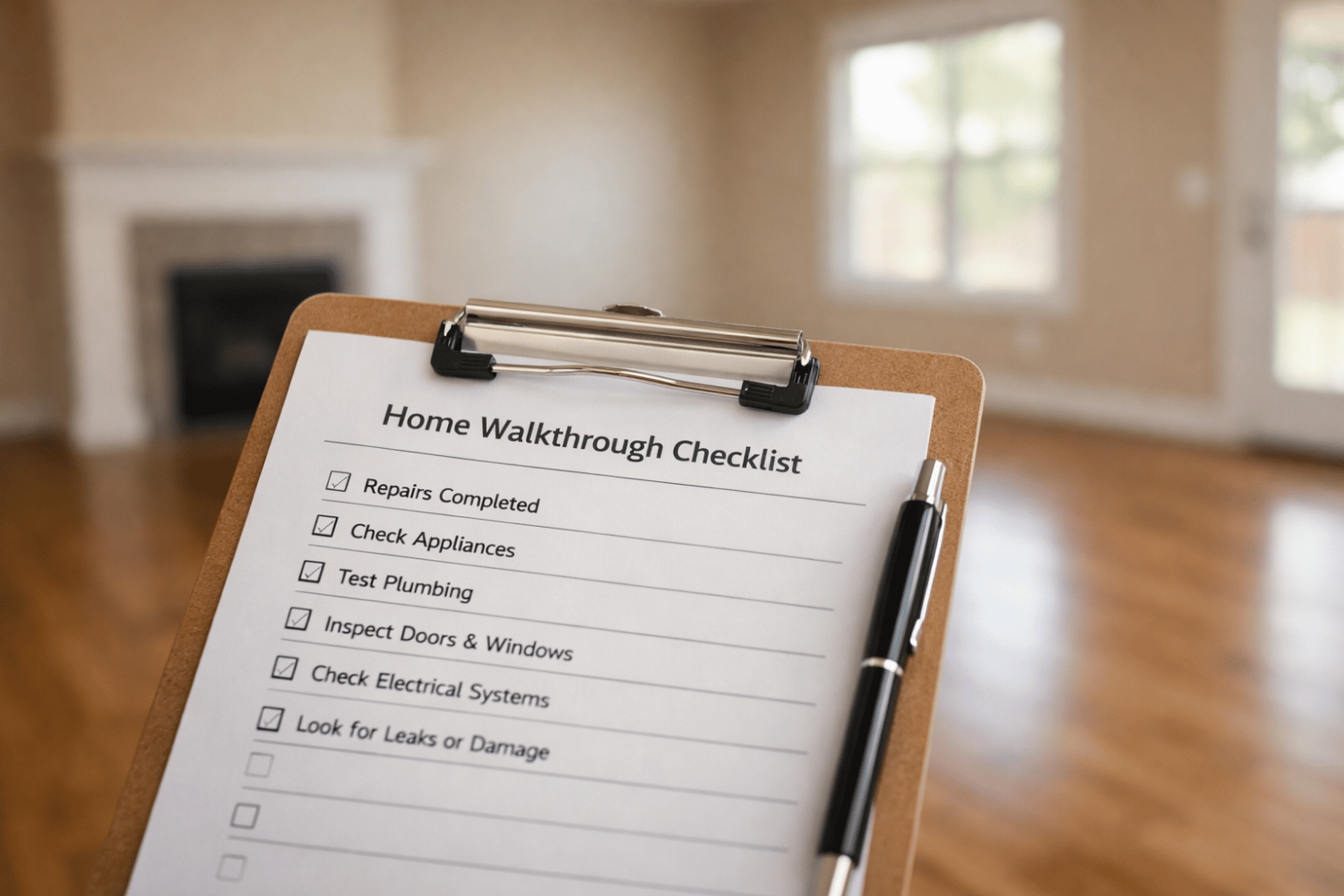
Picture yourself arriving at the property with your agent, a printed final walk through checklist in hand, your inspection report for reference, and your phone ready to document any issues. This is your last chance to catch problems before you own them.
The following sections break down exactly what to check, organized by area of the home. These are practical, actionable items you can verify on-site, turning on lights, flushing toilets, checking doors, scanning ceilings for water stains.
Confirm Agreed-Upon Repairs
Before you start walking the property, pull up the signed repair addendum on your phone or have a printed copy ready. This document lists everything the seller agreed to fix, and now it’s time to verify completion.
Start with the large-ticket items first:
- Roof replacement or patching.
- Exterior siding repairs.
- Gutter replacement or reattachment.
- Window replacements.
- Deck or porch structural fixes.
Match each line item on the repair agreement to visible work on-site. The quality should look professional, not temporary patches or obvious DIY stopgaps. If the seller agreed to hire licensed contractors, the work should reflect that standard.
Check for new damage that may have occurred during repairs. Moving appliances for installation can scratch hardwood floors. Gutter work might damage landscaping near downspouts. These issues should be documented and addressed.
Request receipts, warranties, and contractor information for all completed work. This is especially important for roofing with limited lifetime workmanship warranties or new windows with manufacturer coverage. Those documents protect you long after closing.
Seller’s Belongings and Included Items
The home should be vacant except for items specifically agreed to stay in the purchase contract, perhaps a refrigerator, washer and dryer, custom blinds, or a mounted TV that was negotiated into the deal.
Walk each room, closet, attic, and garage to ensure the seller’s belongings are gone. No trash, paint cans, or unwanted furniture should remain unless you specifically requested it. If the seller left behind a garage full of junk, that’s a legitimate issue to raise before closing.
Verify that all fixtures and features supposed to stay are still installed:
- Ceiling fans and light fixtures.
- Curtain rods and custom window treatments.
- Built-in shelving units.
- Outdoor playsets or sheds mentioned in the listing.
- Garage door openers and remotes.
Landscaping elements shown in listing photos, mature trees, decorative shrubs, garden beds, should not have been removed without written agreement. Missing appliances that were listed as included are a significant concern that requires immediate attention.
Document any surprise removals with photos. A missing dining room chandelier or deck pergola that appeared in listing photos needs to be reported to your buyer’s agent right away.
Doors, Windows, Locks, and Security
Systematically test each exterior and interior door. Open it, close it, lock it, and verify that latches catch properly and keys work smoothly. Doors that stick, don’t latch, or have non-functional locks should be noted.
Check every window to ensure it:
- Opens and closes properly.
- Locks securely.
- Has screens present and undamaged.
- Operates smoothly without sticking.
Bedroom windows are especially important for safety and egress requirements. A window that won’t open in an emergency is more than an inconvenience. It’s a safety hazard.
Test smart locks, keypads, garage door openers, and security panels. Confirm that all codes work and remotes function properly. The seller should provide written instructions or manuals for alarm systems and smart home features.
Collect all keys at closing: front door, back door, mailbox, detached garage, sheds, and any other locked spaces on the property. Plan to have locks rekeyed or replaced promptly after closing for security. This is routine practice and a smart investment.
Appliances and Fixtures
Test every included appliance to confirm they operate smoothly:
- Oven/Stovetop: Heats properly on all burners.
- Dishwasher: Runs through a short cycle without leaks.
- Refrigerator: Cooling properly, ice maker works.
- Microwave: Heats evenly, door seals properly.
- Washer/Dryer: Runs through cycles, drains properly.
- Garbage disposal: Runs without grinding or jamming.
Run each appliance briefly and watch for leaks, unusual noises, error messages, or tripped breakers. These observations matter and should be documented if concerning.
Check all light fixtures and ceiling fans in every room. If you have spare bulbs, swap out any that aren’t working to verify the fixture itself functions. A dead fixture is different from a burned-out bulb.
If the water heater or HVAC unit is new as part of requested repairs, confirm the actual equipment installed matches what was agreed. Check manufacture date labels to verify you’re getting genuinely new equipment, not refurbished or used units.
Plumbing: Water, Drains, and Leaks
Run every faucet in the home, kitchen, bathrooms, laundry sink, for several minutes while checking water pressure, temperature, and drainage speed. Slow drains or weak pressure could indicate underlying problems.
Open cabinets under sinks and inspect around toilets and tubs for:
- Active leaks or dripping.
- Water stains on cabinet bottoms.
- Recent patches in drywall or flooring.
- Mold or mildew growth.
Flush every toilet and listen for running water that doesn’t stop. Look at the base for any movement, seepage, or water damage to surrounding flooring.
Check the water heater for visible rust, standing water in the drain pan, or warning lights. If a new water heater was promised, note the serial number and manufacture date to confirm it’s actually new.
Pay extra attention to basements and crawlspaces. Look for dampness, musty odors, or active water that might indicate seepage or sump pump issues, which are especially common in our region’s clay soils.
Electrical Systems and HVAC
Bring a small device like a phone charger to test outlets in each room. Plug it into outlets along both exterior and interior walls to verify they provide power.
Test GFCI outlets in kitchens, bathrooms, garages, and exterior areas by pressing the “test” and “reset” buttons. These safety devices should trip and reset properly.
Turn on all lights, light switches, and exhaust fans throughout the home. Note any:
- Flickering lights.
- Buzzing sounds.
- Non-functioning switches.
- Dead outlets.
Run the HVAC system in both heating and air conditioning modes if seasonally appropriate. Walk through each room to verify airflow from vents and listen for unusual noises from the equipment. In Missouri’s variable climate, you’ll want both systems working properly.
Check programmable thermostats and smart HVAC controls to confirm they connect and function correctly. Request any apps or login credentials needed to control smart home’s systems.
Interior Surfaces: Walls, Floors, and Ceilings
Walk every room slowly, scanning ceilings for new stains or discoloration that might signal roof or plumbing leaks. Fresh water stains that weren’t present during your initial inspection are a red flag.
Look along baseboards and around windows for:
- New cracks or gaps.
- Fresh patches that weren’t there before.
- Settling or shifting since inspection.
Check floors carefully for damage from move-out activities. Heavy furniture removal often causes deep scratches in hardwood, cracked tiles, or torn carpet. These cosmetic issues may warrant a credit if significant.
Verify any agreed paint touch-ups or drywall repairs have been completed neatly with reasonably color-matched finishes. Obvious patch jobs that stand out aren’t acceptable completion of negotiated repairs.
Note any substantial new defects and discuss them with your agent before walking into the closing office. It’s much easier to address concerns before money changes hands.
Signs of Mold, Moisture, or Pests
Focus on high-risk areas where moisture problems and pest infestation commonly develop:
- Basements and crawlspaces.
- Bathrooms and laundry areas.
- Around water heaters.
- Near sump pumps.
- Under kitchen sinks.
Look for visible mold spots, peeling paint, swollen trim, or bubbling drywall. These problems can develop in just a few weeks if moisture issues exist.
Use your nose as well as your eyes. Sniff for strong musty or ammonia-like odors that might signal hidden mold or rodent issues, even when no visible stains are present.
Scan for pest evidence throughout the home:
- Droppings in cabinets or closets.
- Gnawed wood around baseboards.
- Sawdust-like material from termites.
- Insect trails along foundation walls.
If substantial mold or pest issues appear that weren’t previously disclosed, consider requesting a specialist inspection before closing. These problems can be expensive to remediate and may affect your willingness to proceed.
Exterior Condition: Roof, Siding, Gutters, and Decks
The outside of the home deserves just as much attention as the inside, particularly in areas prone to hail, wind, and heavy rain.
Walk the full perimeter of the property, looking up at the roof for:
- Missing or damaged shingles.
- Obvious dips or sagging areas.
- Mismatched patches from recent repair work.
- Fresh granules in gutters (indicating shingle wear).
Inspect siding for cracks, warping, holes, or hail impacts. Check that gutters and downspouts are securely attached and directing water away from the foundation, not toward it.
Examine decks, patios, and stairs for:
- Loose or rotting boards.
- Wobbly railings.
- Visible rot, especially on older wood structures.
- Proper attachment to the house.
Yard, Outbuildings, and Outdoor Features
Confirm the general condition of the yard matches what you saw during showings. Check for proper grading, adequate drainage, and no large new holes or fallen trees that appeared since your last visit.
Test fences and gates for proper latching, especially if you have pets or small children who will depend on a secure yard. A gate that doesn’t latch is both an inconvenience and a safety concern.
Verify any included outdoor structures are present and in the expected condition:
- Sheds and storage buildings.
- Pergolas and gazebos.
- Playsets and swing sets.
- Detached garages.
Check that outdoor lighting and exterior electrical outlets function. This is particularly important near decks and patios where you’ll spend time after dark.
If an irrigation or sprinkler system was included in the sale, run through each zone to verify proper operation. Locate the control panel and confirm you understand how to operate it.
Overall Cleanliness and “Broom-Clean” Condition
Most purchase contracts require the seller to leave the home in “broom-clean” condition, with surfaces wiped down, floors swept or vacuumed, and personal belongings removed. This doesn’t mean deep cleaning, but it does mean reasonably presentable.
Walk through kitchen cabinets, bathroom drawers, closets, the attic, and the garage to check for forgotten items or trash left behind. A few wire hangers are normal; piles of debris or hazardous materials are not.
While deep cleaning is typically the new owner’s responsibility, significant issues justify a cleaning credit:
- Major grime or grease buildup.
- Food left in refrigerator or pantry.
- Pet mess or odors.
- Dirty home conditions that require professional cleaning.
Note any significant cleanliness concerns and discuss them with your buyer’s agent before heading into closing. A reasonable credit for professional cleaning is easier to negotiate before you’ve signed than after.
What to Do If You Find Issues During the Final Walkthrough
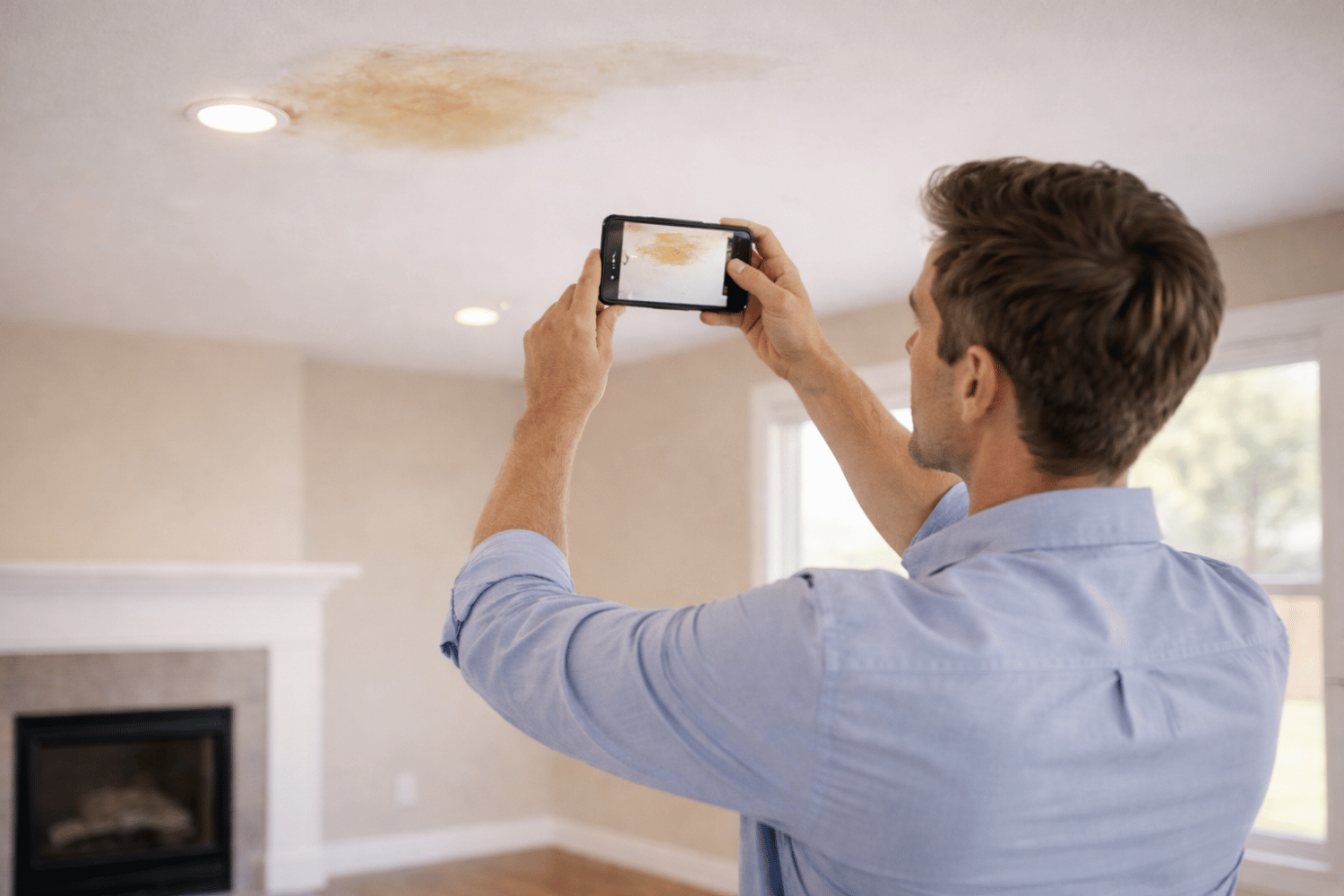
Discovering problems at the finish line doesn’t automatically kill the deal, but you need to act quickly and document everything thoroughly. Most issues during the final walkthrough can be resolved with clear communication and reasonable solutions.
Start by taking clear photos and short videos of each problem. Link your documentation to the specific room or area and reference the related contract clause or repair item. Timestamps on photos provide valuable evidence if disputes arise later.
Your first step is always to call or text your real estate agent immediately, preferably before leaving the property. Together, you can strategize next steps while the issues are fresh in your mind.
Possible solutions include:
- Repairs before closing: Minor issues the seller can fix quickly.
- Credit at closing: Moderate issues you’ll handle after move-in.
- Escrow holdback: Larger repairs needing contractor scheduling.
- Delayed closing: Significant problems requiring time to resolve.
- Canceled closing: Rare cases with major undisclosed issues.
Handling Minor Issues
Minor issues include cosmetic or low-cost items: small nail holes, scuffed paint, a cracked outlet cover, or a loose door handle. These are common in any resale home and typically don’t warrant major negotiations.
Buyers often accept minor items “as is” or request a modest seller credit, perhaps $100 to $300, that can cover a handyman visit after closing. This approach keeps the transaction moving without unnecessary delays.
Prioritize more serious problems rather than risking a delay closing over small imperfections. A dirty home or some scuff marks from moving furniture aren’t worth losing your closing date.
If the seller is willing to fix small items quickly before closing, get written confirmation of what will be done and by when. Don’t rely on verbal promises or assume good intentions will translate to action.
Keeping a calm, solution-focused attitude on both sides usually leads to a simple agreement and on-time closing. Most sellers want to close as much as you do and will work to resolve reasonable concerns.
Handling Major Issues
Major issues are anything that significantly changes the value, safety, or usability of the home: active leaks, substantial mold, missing appliances, storm-damaged roofs, or incomplete negotiated repairs. These require more careful handling.
Have your agent draft a written addendum or amendment outlining:
- The specific problem identified.
- The proposed remedy.
- Clear deadlines for completion.
- Dollar amounts if credits are involved.
Options for resolution typically include delaying closing to allow repairs, negotiating a larger price reduction or seller credit, or setting up an escrow holdback with funds reserved from the seller’s proceeds until work is completed.
Lenders may need to approve changes in credits or closing dates, so expect some coordination with your loan officer. Significant changes to the transaction terms require proper documentation and approval from all parties.
Tips for a Smooth Final Walkthrough and Closing
Preparation and the right mindset make the difference between a stressful walkthrough and a smooth transition to homeownership. Arrive with your checklist, a clear head, and enough time before your closing appointment to address any concerns.
Bring copies of essential documents:
- Purchase agreement.
- Home inspection report.
- Repair addendum with all requested repairs.
- Contractor invoices or warranties already provided.
Schedule your walkthrough in daylight whenever possible. Natural light helps you spot stains, cracks, exterior issues, and yard problems that might be hidden in dim conditions. Early morning or mid-afternoon works better than evening appointments.
Speak up immediately if something feels off. It’s harder to address issues once funds have been disbursed and you’ve signed the closing documents. Your concerns are valid, and this is exactly when they should be raised.
Having a trustworthy team, an experienced local real estate agent, a responsive lender, and reliable contractors for post-closing projects, helps you feel confident walking into the closing office and signing at the closing table.
FAQ: Final Walkthrough Real Estate
Is the final walkthrough mandatory, or can I skip it?
While Missouri state law may not literally require a final walkthrough, most purchase contracts in our area give buyers the explicit right to one. Skipping it is strongly discouraged by every experienced real estate agent in the business.
If you waive your walkthrough, you’re essentially accepting the property “as is” at closing. This makes it significantly harder to negotiate if you discover issues after moving in, such as missing appliances or major damage the seller caused during move-out.
Even for new construction or recently remodeled homes, buyers should perform a final walkthrough to verify completion, quality of work, and cleanliness. Never assume everything is fine just because the home is new.
How long does a final walkthrough usually take for a typical Columbia, MO home?
For an average 1,600 to 2,200 square foot single-family home in Columbia, most final walkthroughs take 30 to 60 minutes when done carefully with a proper checklist. How long does a final walk through take depends largely on how thorough you choose to be.
Larger homes, acreage properties, or homes with extensive agreed repairs may require 60 to 90 minutes to check everything thoroughly. Don’t rush yourself. You’re protecting a significant investment.
It’s always a better idea to take an extra 15 minutes and catch potential problems than to rush through and miss a major issue that could cost thousands to repair after closing.
What if a storm hits between my walkthrough and my closing time?
In Mid-Missouri, sudden hail or wind events between your walkthrough and closing day are unfortunately common, especially during spring and fall storm seasons. This situation requires immediate action.
Notify your agent right away and request a brief re-walk of the property focused specifically on the roof, siding, gutters, windows, and decks. Document everything with photos and video if you find any visible damage.
If storm damage is confirmed, the buyer and seller may need to pause the transaction to involve insurance companies and bring in contractors to document damage and estimate repair costs before proceeding with closing.
Can I bring a contractor or home inspector to my final walkthrough?
Yes, buyers are generally allowed to bring a contractor or inspector to the final walkthrough, though you should coordinate in advance with your agent and the seller’s agent to ensure adequate access time.
Contractors and inspectors typically charge for additional visits, but this cost can be worthwhile when major roof, structural, or moisture repairs were required and you want professional verification that work was completed correctly.
This is especially recommended when the seller has just completed large exterior projects such as full roof replacement, re-siding, or deck reconstruction after storm damage. A professional eye can spot substandard work that might not be obvious to most home buyers.
Who pays for repairs if problems are found at the final walkthrough?
Responsibility depends on your purchase contract terms. If the issue violates the purchase agreement or stems from incomplete negotiated repairs the seller agreed to make, the seller is commonly expected to address it before closing or provide appropriate compensation.
Solutions typically include direct repairs by the seller, closing credits deducted from the sale price, or escrow holdbacks funded from the seller’s proceeds and released after repairs are verified complete.
Buyers should rely on their real estate agent and, when necessary, their closing attorney or title company to structure any last-minute agreements in writing. Verbal agreements have no legal weight—get everything documented before you sign.