Simple Upgrades That Add Real Value Before You Sell Your Home
Within 15 seconds of walking through your front door, potential buyers have already formed their opinion about your home. This snap judgment can determine whether they’ll make an offer, negotiate aggressively, or simply move on to the next property. The difference between a home that sells quickly at asking price and one that languishes on the market often comes down to strategic improvements that create immediate buyer appeal.
Many homeowners make the critical mistake of either over-improving with expensive renovations that don’t add proportional value, or under-preparing by listing their home without addressing obvious issues that turn off potential buyers. The key lies in identifying simple upgrades that add real value before you sell your home – improvements that consistently deliver strong returns on investment while appealing to the broadest possible buyer pool.
According to recent industry data, exterior improvements consistently outperform interior renovations in terms of ROI, with some projects returning over 200% of their initial investment. Smart sellers focus on changes that enhance curb appeal, improve functionality, and create that crucial “move in ready” feeling that most buyers crave in today’s competitive market.
Key Takeaways
Focus on high-impact, low-cost improvements like fresh paint and curb appeal that can return 80-200% of your investment
Garage door replacement offers exceptional ROI at 194% while costing around $4,500 on average
Kitchen and bathroom updates don’t require full renovations – simple hardware changes and fixture updates can transform these spaces
Smart home features and energy-efficient upgrades appeal to 65% of today’s buyers and can reduce time on market
Avoid over-improving for your neighborhood – aim for upgrades that align with comparable homes in your area
Quick-Impact Improvements That Deliver Immediate Results
The psychology behind first impressions cannot be overstated in real estate. Research shows that potential buyers form lasting opinions about a property within the first 15 seconds of viewing, whether online through listing photos or during an in-person showing. This phenomenon, known as the “15-second rule,” means that surface-level improvements often carry more weight than homeowners realize.
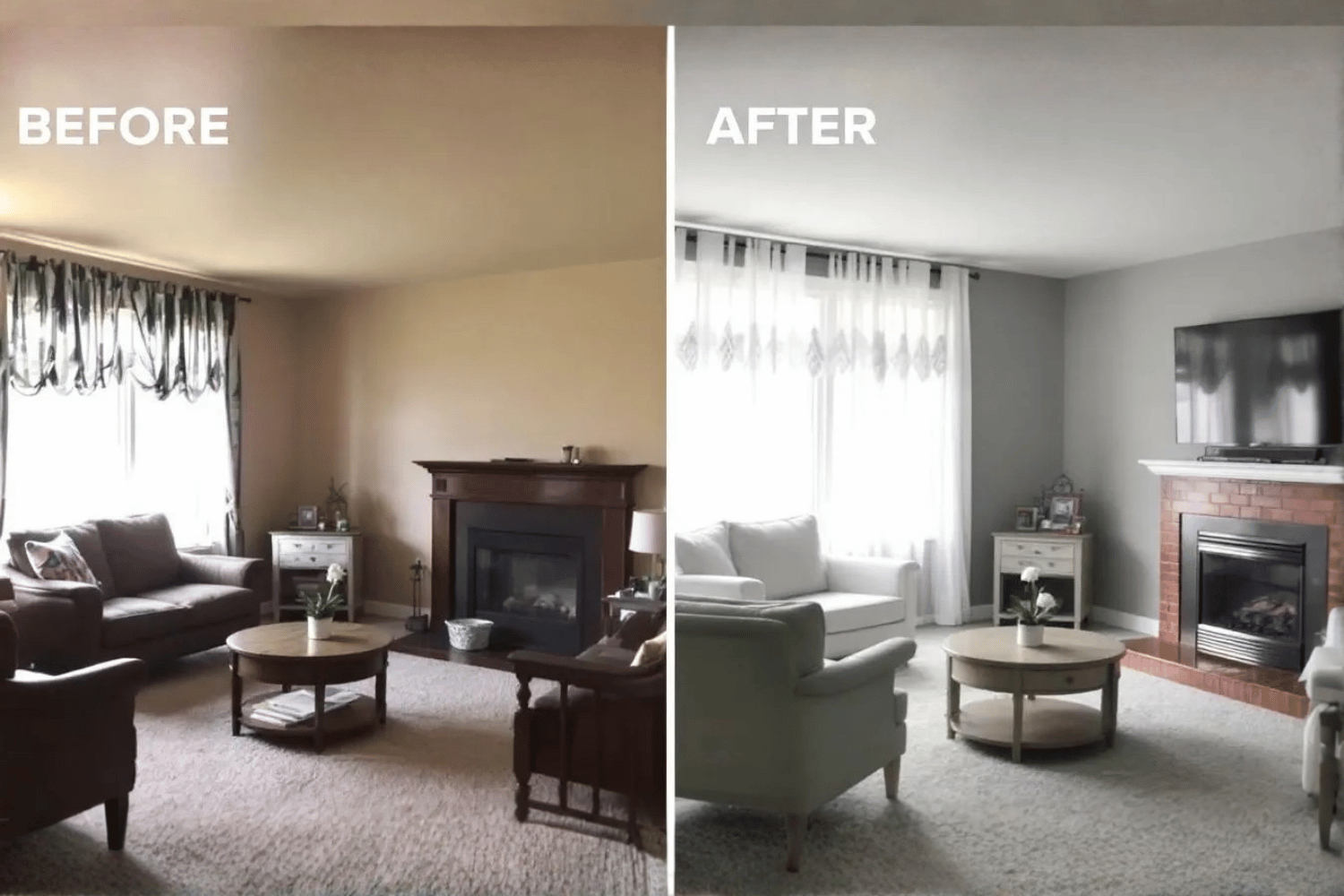
Buyers love properties that feel fresh, clean, and well-maintained. A neglected exterior or dated interior paint immediately signals to potential homebuyers that they’ll need to invest additional time and spending money to make the space their own. Conversely, homes that present as a clean slate allow buyers feel confident they’re purchasing a well maintained property.
Fresh Interior Paint – The Ultimate Game Changer
Interior paint delivers one of the highest returns among all home improvements, with many homeowners seeing the home value increase by $8,000-$12,000 from a $1,800-$3,200 investment. The key lies in choosing colors that appeal to the broadest buyer pool rather than reflecting personal preferences.
The top 5 neutral paint colors for 2025 that consistently attract buyers include:
- Agreeable Gray (Sherwin Williams SW 7029) – A warm gray with beige undertones
- Classic Gray (Benjamin Moore OC-23) – A sophisticated cool gray
- Natural Linen (Benjamin Moore OC-14) – A soft, warm white with subtle beige hints
- Accessible Beige (Sherwin Williams SW 7036) – A versatile greige that works in any lighting
- Pure White (Sherwin Williams SW 7005) – A clean, bright white for modern appeal
When prioritizing rooms for a fresh coat of paint, focus on high-traffic areas first. The living room, master bedroom, and kitchen create the strongest impact because buyers spend the most time evaluating these spaces during showings. A fresh coat of paint in these areas signals that the home’s interior has been cared for and updated.
Professional painting typically costs $3-6 per square foot including materials, while DIY projects average $1-2 per square foot. Most homeowners can complete interior painting in 1-2 weeks working evenings and weekends, though professional crews can finish the same work in 2-3 days.
Curb Appeal Upgrades Under $500
Your home’s curb appeal creates the crucial first impression that determines whether potential buyers will even request a showing. Simple exterior updates can dramatically improve online listing photos and drive-by appeal, often making the difference between a quick sale and extended time on market.
Power washing exterior surfaces, driveways, and walkways costs just $200-$400 but can instantly refresh your home’s appearance. This single improvement removes years of dirt, mildew, and staining that buyers unconsciously associate with poor maintenance. The transformation is particularly dramatic on concrete, vinyl siding, and painted surfaces.
Fresh mulch and seasonal flowers provide an immediate pop of color and show buyers that the landscaping receives attention. A $150-$300 investment in quality mulch around foundation plantings and a few strategically placed flower containers creates a welcoming atmosphere that future buyers notice immediately.
Small details like a new welcome mat, updated house numbers, and a fresh mailbox seem minor but contribute to the overall impression of a well-cared-for property. These items typically cost $75-$150 total but help create that grand entrance feeling that buyers love.
Basic maintenance tasks like pruning overgrown shrubs, edging sidewalks, and ensuring the lawn is healthy and weed-free cost $100-$200 but are essential for creating strong curb appeal. These improvements ensure your home photographs well for online listings, where 95% of buyers begin their home search.
High-ROI Structural Improvements
Structural improvements that consistently deliver returns of 150% or higher focus on replacing highly visible exterior elements that impact both curb appeal and functionality. These projects require higher upfront investment than quick fixes but offer proven ROI data across diverse markets.
When calculating ROI for home improvements, divide the added resale value by the project cost, then multiply by 100. For example, if a $5,000 garage door replacement adds $9,500 to your home value, the ROI equals 190%. Understanding these calculations helps prioritize improvements that make financial sense for your specific situation and local market conditions.
Regional variations significantly impact improvement ROI. Energy-efficient windows show stronger returns in climates with extreme temperatures, while outdoor living spaces perform better in warm-weather markets. Consulting with a real estate professional familiar with your area ensures you choose improvements that resonate with local buyer preferences.
Garage Door Replacement – The ROI Champion
Garage door replacement consistently ranks as the top-performing home improvement, delivering an average ROI of 194% according to 2025 industry data. This exceptional return stems from the garage door’s prominent position on most home facades – often comprising 30-40% of the street-facing exterior.
Standard single garage doors average $3,500-$5,500 installed, while double doors range from $6,000-$8,000. The Clopay Gallery Collection and Wayne Dalton Classic Steel series offer excellent value with modern insulation properties and contemporary styling that appeals to today’s buyers.
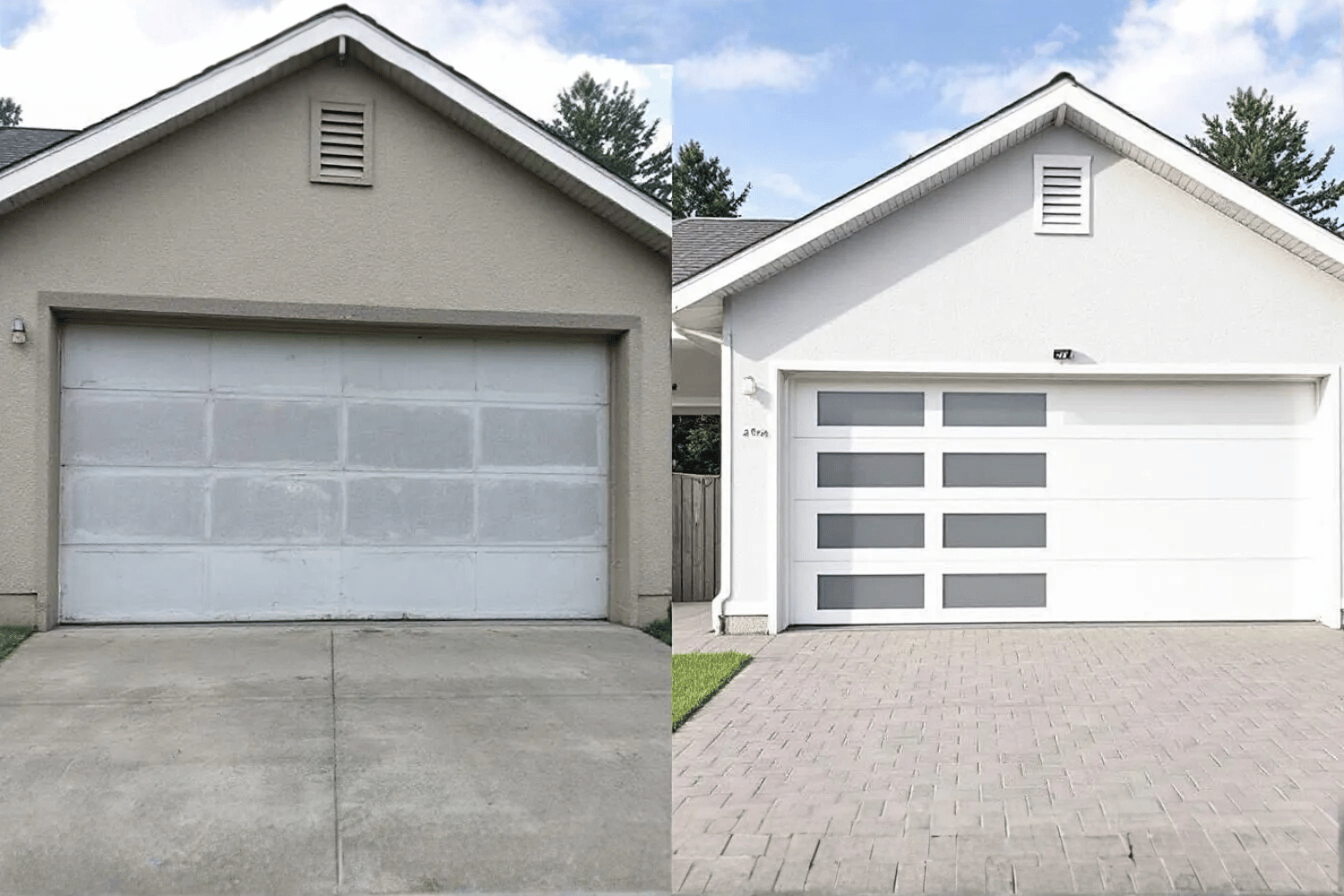
A new garage door immediately signals to potential buyers that major systems are updated and reliable. Modern doors include improved insulation for energy efficiency, quieter operation, and smart technology integration – features that 76% of buyers now consider essential. The installation typically takes one day, making this a relatively low-disruption improvement with maximum visual impact.
The ROI remains consistently high because garage doors combine functional necessity with significant aesthetic impact. Unlike interior improvements where buyer tastes vary, a quality garage door appeals universally while addressing practical concerns about security, weather protection, and daily convenience.
Entry Door Upgrade – Maximum Curb Appeal Impact
Steel entry doors deliver an impressive 188% ROI with average costs ranging from $2,200-$2,800 installed. This improvement works because your front door creates the literal first impression as buyers approach for showings, and a dated or worn entry door immediately suggests deferred maintenance throughout the property.
Fiberglass options provide excellent durability and insulation while accommodating different architectural styles and climate requirements. These doors resist warping, cracking, and weather damage better than wood alternatives, making them particularly appealing to buyers concerned about long-term maintenance.
Popular front door colors for 2025 include deep navy, forest green, charcoal gray, and classic black. These sophisticated options photograph beautifully for online listings while appealing to buyers seeking contemporary style. The key is choosing colors that complement your home’s existing exterior palette rather than creating jarring contrasts.
Modern entry doors integrate seamlessly with smart lock technology, allowing new homeowners to control access remotely and provide temporary codes for service providers. Hardware upgrades using brushed nickel, matte black, or brass finishes complete the transformation and ensure every detail appears intentionally updated.
Kitchen and Bathroom Updates That Don’t Break the Bank
Minor kitchen and bathroom improvements consistently outperform major renovations in ROI calculations, returning 75-95% of investment compared to 60-65% for extensive remodels. The difference lies in refreshing these spaces to feel updated and move in ready rather than attempting complete transformations that may not align with buyer preferences.
Smart buyers understand that major kitchen and bathroom renovations often reflect the previous owner’s personal tastes rather than broad market appeal. Simple refresh strategies allow future buyers to envision their own style preferences while ensuring these critical spaces feel clean, functional, and current.
The goal is creating a blank slate that appeals to the widest possible buyer pool. This approach minimizes risk while maximizing the perception of value – a crucial distinction in competitive real estate markets where buyers have multiple options.
Kitchen Refresh Strategies
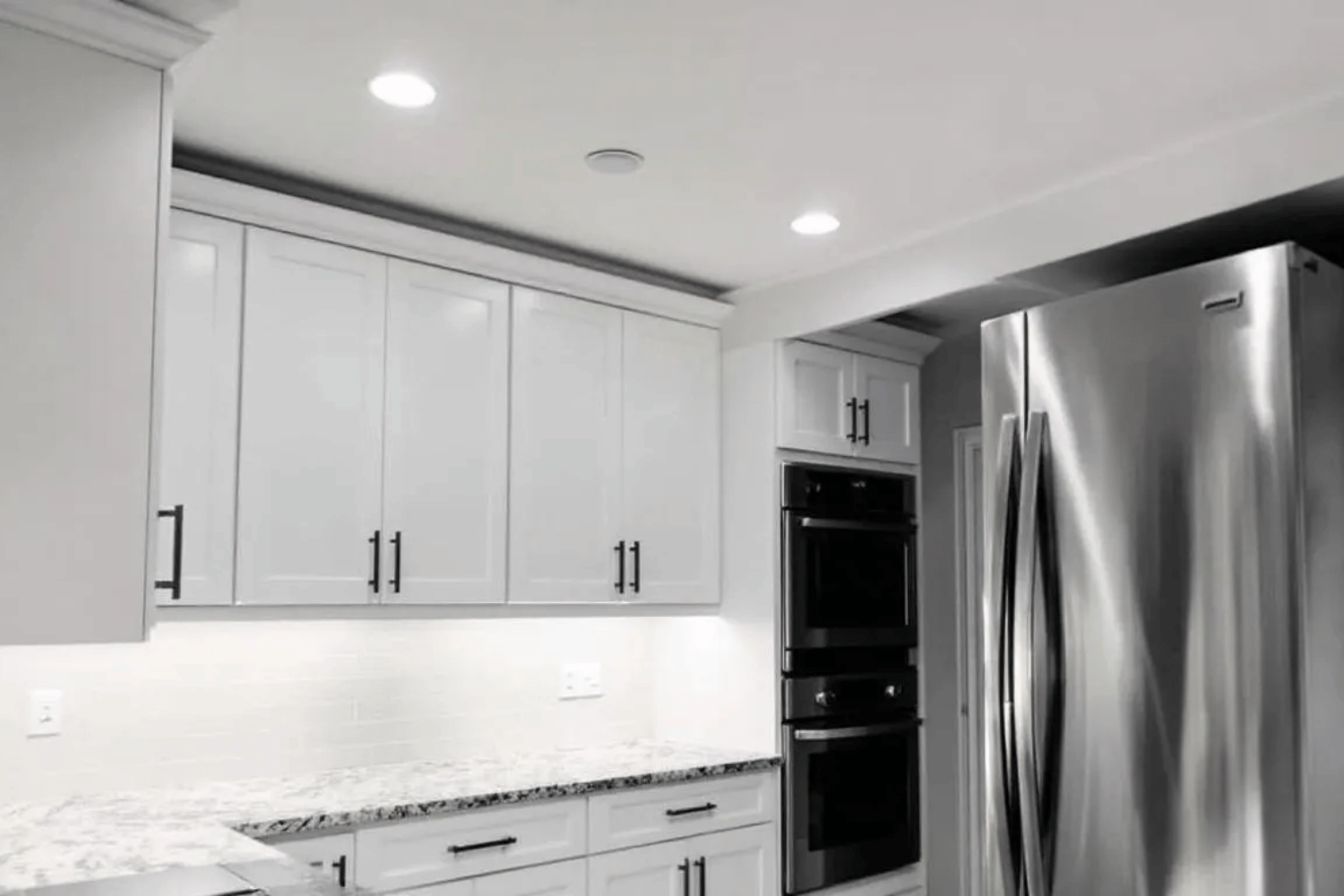
Cabinet hardware replacement offers the most dramatic transformation for the smallest investment. Quality pulls and knobs in brushed gold, matte black, or brushed nickel finishes cost $200-$600 but instantly modernize dated cabinetry. This simple change updates the kitchen’s entire aesthetic without the disruption and expense of cabinet replacement.
Countertop alternatives to expensive granite include quartz remnants, butcher block, and concrete overlays. These options cost 50-70% less than full slabs while providing updated surfaces that appeal to buyers seeking modern functionality. Quartz remnants work particularly well for smaller kitchens or island applications.
Backsplash updates using peel-and-stick tiles or painted glass cost $150-$800 and create dramatic visual interest. Subway tiles remain popular with buyers because they’re classic yet contemporary, while natural stone patterns add texture without overwhelming the space. The key is choosing patterns that complement rather than compete with existing countertops and cabinetry.
Appliance updates don’t require complete replacement – often a thorough deep clean and matching finishes create cohesion. Stainless steel remains the most universally appealing choice, though black stainless offers a more contemporary alternative that hides fingerprints and water spots.
Under-cabinet lighting installation costs $300-$800 but adds significant perceived value by creating ambient lighting that makes the space feel larger and more sophisticated. LED strips provide energy-efficient illumination that highlights countertop surfaces while reducing shadows during evening showings.
Bathroom Transformation on a Budget
Vanity hardware and faucet upgrades deliver instant modernization for $150-$500. Replacing dated brass fixtures with contemporary finishes immediately updates the bathroom’s aesthetic. Single-handle faucets appeal to buyers seeking clean lines and easy maintenance, while traditional two-handle options suit classic design preferences.
Re-caulking and tile refresh techniques avoid full renovation while addressing common buyer concerns about moisture damage and cleanliness. Fresh caulk around tubs, showers, and vanities costs under $50 but creates the impression of meticulous maintenance that buyers value highly.
Mirror replacements and improved lighting fixtures cost $200-$700 but dramatically impact the space’s functionality and perceived size. Large mirrors make small bathrooms feel more spacious, while updated lighting improves daily usability for potential homebuyers during showings.
Modern toilet seats and towel bars seem like minor details but contribute to the overall impression of a well-maintained bathroom. Quality fixtures in matching finishes cost $100-$300 while ensuring every element appears intentionally coordinated.
When painting bathroom spaces, choose moisture-resistant formulations in neutral colors that make small spaces feel larger. Light colors reflect natural light effectively while providing the clean slate that most buyers prefer for personalizing their master bathroom or guest facilities.
Smart Home and Energy Efficiency Upgrades
Sixty-seven percent of buyers now prioritize energy-efficient features when evaluating properties, making smart home technology and efficiency upgrades increasingly important for competitive positioning. These improvements appeal particularly to younger buyers who expect integrated technology and environmentally conscious homeowners concerned about long-term energy bills.
Smart home ROI varies significantly based on the specific features and local buyer demographics. Basic automation like programmable thermostats and LED lighting provide universal appeal, while advanced systems may only resonate with tech-savvy buyers willing to pay premium prices.
The key is selecting improvements that demonstrate immediate utility while being simple enough for any homeowner to operate. Overly complex systems can intimidate potential buyers who worry about maintenance requirements and learning curves.
Smart Thermostat and Home Automation
Top-performing smart thermostats for 2025 include the Nest Learning Thermostat, Ecobee Smart Thermostat, and Honeywell T9, ranging from $200-$400 installed. These devices provide 10-15% energy savings on heating and cooling costs while allowing remote temperature control that appeals to busy buyers.
Smart lighting systems with voice control integration cost $300-$800 for whole-home installation but create impressive demonstrations during evening showings. Buyers love the convenience of controlling lighting scenes with simple voice commands or smartphone apps, especially in homes with multiple levels or hard-to-reach fixtures.
Security features that buyers want include smart doorbells, cameras, and electronic locks. Seventy-six percent of potential buyers rate security cameras as essential, representing a dramatic increase from previous years. Professional monitoring systems provide additional peace of mind, though many buyers prefer DIY options that offer flexibility without ongoing service commitments.
Integration between systems creates the most appeal – buyers prefer cohesive smart home technology rather than random individual devices. Starting with a smart thermostat and expanding to include lighting and security creates a foundation that future buyers can easily understand and expand according to their preferences.
Energy-Efficient Windows and Insulation
Window replacement ROI varies significantly by region, ranging from 65-85% return depending on local climate conditions. Areas with extreme temperatures see stronger returns because energy-efficient windows provide measurable utility savings that buyers can calculate into their monthly housing costs.
New windows with Energy Star ratings appeal to buyers concerned about environmental impact and rising energy costs. Modern double and triple-pane options reduce outside noise, eliminate drafts, and improve security – benefits that extend beyond energy efficiency to daily comfort and safety.
Attic insulation upgrades cost $1,500-$3,000 but significantly improve energy efficiency ratings that increasingly influence buyer decisions. Proper insulation reduces HVAC system strain, leading to lower energy bills and extended equipment life that smart buyers recognize as long-term value.
LED lighting conversion throughout the home costs $200-$600 but demonstrates commitment to energy efficiency while providing better illumination for showings. Modern LED bulbs offer warm color temperatures that create welcoming ambiance without the harsh white light that characterized early efficient bulbs.
Energy Star appliance considerations and available rebate programs can offset upgrade costs while providing marketing advantages. Buyers often research utility rebates when evaluating properties, making energy-efficient features more attractive when supported by local incentive programs.
Flooring Solutions That Add Instant Appeal
Flooring decisions significantly impact both buyer appeal and budget considerations, making the choice between refinishing existing floors versus installing new materials crucial for maximizing ROI. The condition of current flooring, local buyer preferences, and timeline constraints all influence the optimal approach.
Different buyer demographics show varying flooring preferences. Young families often prefer durable, low maintenance options like luxury vinyl plank, while luxury buyers gravitate toward authentic hardwood floors. Understanding your likely buyer pool helps guide flooring decisions that will appeal to serious prospects.
Maintenance considerations increasingly influence buyer evaluations as homeowners seek reduced upkeep requirements. Flooring choices that offer durability and easy care appeal broadly, especially to busy professionals and older buyers planning to age in place.
Hardwood Floor Restoration
Professional hardwood refinishing costs $3-8 per square foot compared to $8-15 for replacement, making restoration the budget friendly alternative when existing floors have good structural integrity. The process typically takes 3-5 days and can transform dated floors into stunning features that attract buyers.
Popular stain colors for 2025 include weathered oak, charcoal, and natural/clear finishes that showcase wood grain without heavy color overlay. These neutral options appeal to buyers with varying design preferences while maintaining the authentic hardwood appearance that adds significant resale value.

Timeline expectations include 2-3 days for sanding and finishing, plus additional curing time before furniture replacement. Many homeowners choose to complete refinishing hardwood floors before listing to avoid showing properties with covered floors or strong chemical odors that can distract potential buyers during showings.
Replacement makes more sense than refinishing when floors show significant water damage, structural problems, or wear patterns that sanding cannot eliminate. Homes with thin veneer flooring or previous refinishing attempts may require new flooring to achieve the smooth, uniform appearance that buyers expect.
Modern Flooring Alternatives
Luxury vinyl plank (LVP) offers waterproof durability and cost-effective installation at $4-8 per square foot. This option particularly appeals to buyers with children, pets, or concerns about moisture damage in bathrooms and laundry room areas. Modern LVP closely mimics hardwood appearance while providing superior moisture resistance.
Engineered hardwood works well for basement conversions and areas where solid hardwood isn’t practical due to moisture or substrate limitations. This option provides authentic wood appearance with better dimensional stability, appealing to buyers who want hardwood floors throughout the home.
Tile trends for bathrooms and kitchens emphasize large format options with natural stone appearances. These materials provide the luxury look buyers expect in wet areas while offering practical benefits like slip resistance and easy maintenance that busy homeowners appreciate.
Area rug strategies can effectively showcase existing floors that are in good condition but lack visual warmth. Quality rugs define spaces and add color while allowing potential buyers to envision their own furniture arrangements. This approach works particularly well for homes with beautiful hardwood floors that need styling rather than replacement.
What to Avoid – Improvements That Don’t Add Value
Over improving for your neighborhood represents one of the most common mistakes sellers make when preparing homes for market. Spending $80,000 on a luxury kitchen in a neighborhood where homes sell for $300,000 rarely returns the investment because buyers shopping in that price range have different priorities and budget expectations.
Personal preference improvements often fail to add proportional value because they reflect the seller’s individual taste rather than broad market appeal. Custom built-ins, unique color schemes, and specialized features may actually reduce buyer interest by making the space feel less adaptable to their own style preferences.
Regional factors significantly affect improvement value – swimming pools add value in warm climates but can be seen as maintenance burdens in northern markets. Understanding local buyer priorities through consultation with a real estate professional helps avoid costly improvements that won’t resonate with your specific market.
High-Cost, Low-Return Projects
Swimming pools face maintenance concerns and limited buyer appeal in many markets, often returning less than 50% of installation costs. While pools can be deal breakers for families with young children or buyers concerned about insurance and maintenance costs, they may add value in luxury markets or warm climates where outdoor entertaining is year-round.
Luxury kitchen remodels exceeding $80,000 typically return only 60-65% of investment because they reflect personal choices rather than universal buyer needs. High-end appliances and custom cabinetry may not align with the buyer’s lifestyle or cooking preferences, making moderate updates more financially sound.
Elaborate landscaping requiring high maintenance often intimidates buyers who lack gardening experience or time for upkeep. Simple, low maintenance plantings with good curb appeal provide better ROI than complex gardens that suggest ongoing expense and labor requirements.
Basement wet bars and specialized entertainment rooms appeal to limited buyer segments while reducing functional space for other uses. Converting a potential bedroom or office into a bar eliminates square footage that most buyers would prefer to use differently, often resulting in decreased rather than increased home value.
Home office conversions that reduce bedroom count can significantly impact resale value, especially in family-oriented neighborhoods where bedroom count influences buyer decisions. The rise of remote work has increased home office demand, but eliminating bedrooms typically costs more in reduced appeal than gained functionality.
Creating Your Upgrade Budget and Timeline
Determining your total renovation budget should typically fall within 5-10% of your home value, focusing on improvements that provide measurable returns rather than personal satisfaction. This framework ensures you avoid over improving while making meaningful changes that enhance buyer appeal and justify a higher asking price.
The priority matrix approach helps organize improvements by impact and cost: high-impact, low-cost projects like fresh paint and curb appeal should be completed first, followed by higher-investment items with proven ROI like garage door replacement or minor kitchen updates.
Timeline considerations vary significantly among improvement categories. Quick wins like painting and landscape refresh can be completed in 1-2 weeks, while flooring or bathroom updates require 2-6 weeks for proper completion. Planning for 30-60 days total allows multiple improvements to be sequenced without rushing quality.
Financing options include cash investments for smaller projects, home equity lines of credit for larger improvements, or specialized renovation loans for extensive updates. Many homeowners find that cash provides the most flexibility and avoids interest costs that can erode improvement ROI.
Contractor selection impacts both timeline and quality outcomes. Obtaining multiple quotes, checking references, and verifying licensing helps ensure professional results that enhance rather than detract from your home’s value. Working with contractors familiar with pre-sale improvements ensures they understand the goal of broad buyer appeal rather than personal customization.
Project management basics include coordinating multiple trades, managing material deliveries, and ensuring quality control throughout the process. Many homeowners benefit from designating a single point of contact to oversee improvements and maintain communication with their real estate professional about market timing.
Working with Real Estate Professionals
Local market guidance from experienced professionals like Dustin March Real Estate LLC provides invaluable insight into which improvements will resonate most strongly with buyers in your specific area. Real estate professionals understand current buyer preferences, pricing trends, and competitive positioning strategies that can influence improvement decisions.
Professional staging services often provide better ROI than additional improvements, especially when homes already have good bones and basic maintenance. Staging helps buyers visualize the property’s potential while highlighting existing features effectively during showings and photography.
Pre-listing inspections identify repair priorities that could become negotiation issues later in the sales process. Addressing major concerns proactively prevents surprises that can derail transactions and demonstrates transparency that builds buyer confidence.
The consultation benefits for improvement decisions extend beyond ROI calculations to include timing considerations, market positioning, and buyer psychology. Real estate professionals can advise whether certain improvements will help your home sell faster, command a higher asking price, or both – crucial distinctions in different market conditions.
Networking with trusted contractors and service providers through your real estate professional often results in better pricing and more reliable timelines. Agents who regularly work with improvement professionals can recommend specialists who understand the pre-sale context and deliver results that enhance marketability.
Understanding when to invest sweat equity versus hiring professionals helps optimize both budget and timeline. While many homeowners can successfully handle painting and basic maintenance tasks, complex projects requiring permits or specialized skills should be left to professionals to ensure quality results that don’t create liability concerns for future buyers.
Frequently Asked Questions
How much should I spend on improvements before selling?
Generally 5-10% of your home’s value, focusing on high-ROI projects first. For example, if your home is worth $300,000, budget $15,000-$30,000 for strategic improvements. Prioritize exterior improvements, fresh paint, and minor kitchen/bathroom updates over major renovations. Consult with a real estate professional to understand your local market and avoid over-improving beyond neighborhood standards.
Which improvements should I do myself vs hire professionals?
DIY works well for painting, simple hardware updates, basic landscaping, and small repairs that don’t require permits. Hire professionals for electrical work, plumbing modifications, flooring installation, and any structural changes to ensure quality, safety, and code compliance. Poor DIY work can actually decrease home value and create liability issues during the selling process.
How long do these improvements typically take to complete?
Quick wins like interior painting and curb appeal improvements can be completed in 1-2 weeks. Larger projects like flooring replacement or bathroom updates may take 2-6 weeks depending on scope and contractor availability. Plan for 30-60 days total if combining multiple improvements, and coordinate timing with your planned listing date to ensure everything is photo-ready.
Should I make improvements if I’m selling in a hot market?
Even in seller’s markets, well-maintained homes with fresh updates sell faster and for top dollar. While you may not need extensive improvements, basic maintenance, fresh paint, and good curb appeal help your home stand out online and during showings. Quality improvements can also justify a higher asking price and reduce negotiation pressure from buyers.
What if my budget is under $5,000 for all improvements?
Focus on fresh interior paint, exterior cleaning and basic landscaping, small repairs, and a thorough deep clean. These four areas can dramatically improve buyer perception and potentially add $10,000-$15,000 in perceived value for a $3,000-$5,000 investment. Prioritize improvements that photograph well for online listings, where most buyers begin their home search process.