Seasonal Maintenance Checklist for Mid-Missouri Homeowners

Key Takeaways
- Mid-Missouri’s varied climate requires specific seasonal maintenance tasks to protect your home from extreme weather conditions including ice storms, heavy rainfall, and temperature fluctuations
- Spring maintenance focuses on post-winter damage assessment and preparing cooling systems for Missouri’s hot, humid summers
- Fall preparation is critical for winterizing your home against potential ice storms and freezing temperatures common in central Missouri
- Regular seasonal maintenance can prevent costly repairs and maintain your home’s value in the competitive Mid-Missouri real estate market
- Homeowners should budget 1-3% of their home’s value annually for maintenance to avoid emergency repairs during extreme weather events
Mid-Missouri’s unpredictable climate presents unique challenges that most homeowners across the region face year after year. From ice storms that can cripple power grids to sweltering summers that strain air conditioner systems, your house endures constant weather-related stress that demands proactive attention.
At Dustin March Real Estate, we’ve seen how proper home maintenance can mean the difference between a property that holds its value and one that becomes a financial burden. The seasonal maintenance checklist we’re sharing today draws from years of experience helping Missouri families protect their most valuable investment.
Regular maintenance isn’t just about keeping your property in top shape—it’s about preventing the kind of costly repairs that can drain your budget and create stress when you’re trying to sell. Whether you’re planning to stay in your current home for decades or considering selling in the future, this comprehensive maintenance plan will help you maintain your property’s value while avoiding emergency situations that always seem to happen at the worst possible time.
Spring Maintenance Tasks (March – May)
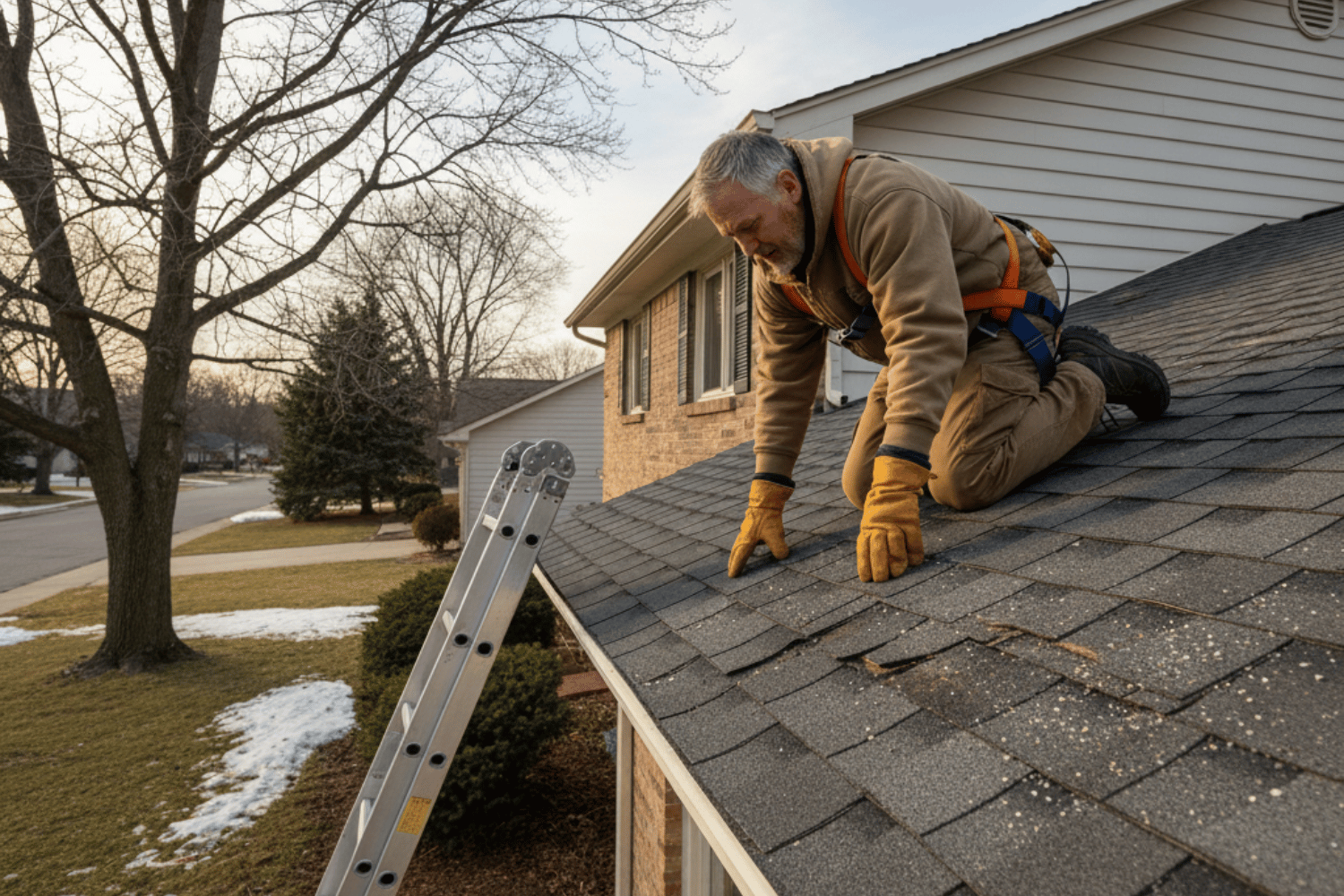
Spring marks the perfect time to assess winter damage and prepare your home for Missouri’s demanding summer season. After months of freeze-thaw cycles that can wreak havoc on your home’s foundation, exterior surfaces, and mechanical systems, a thorough spring inspection helps identify issues before they become major problems.
The transition from winter to spring in mid-Missouri often brings heavy rainfall and rapidly changing temperatures. This combination creates ideal conditions for water damage, making spring maintenance particularly critical for protecting your basement and preventing moisture-related issues that can cost thousands to address.
Post-Winter Damage Assessment
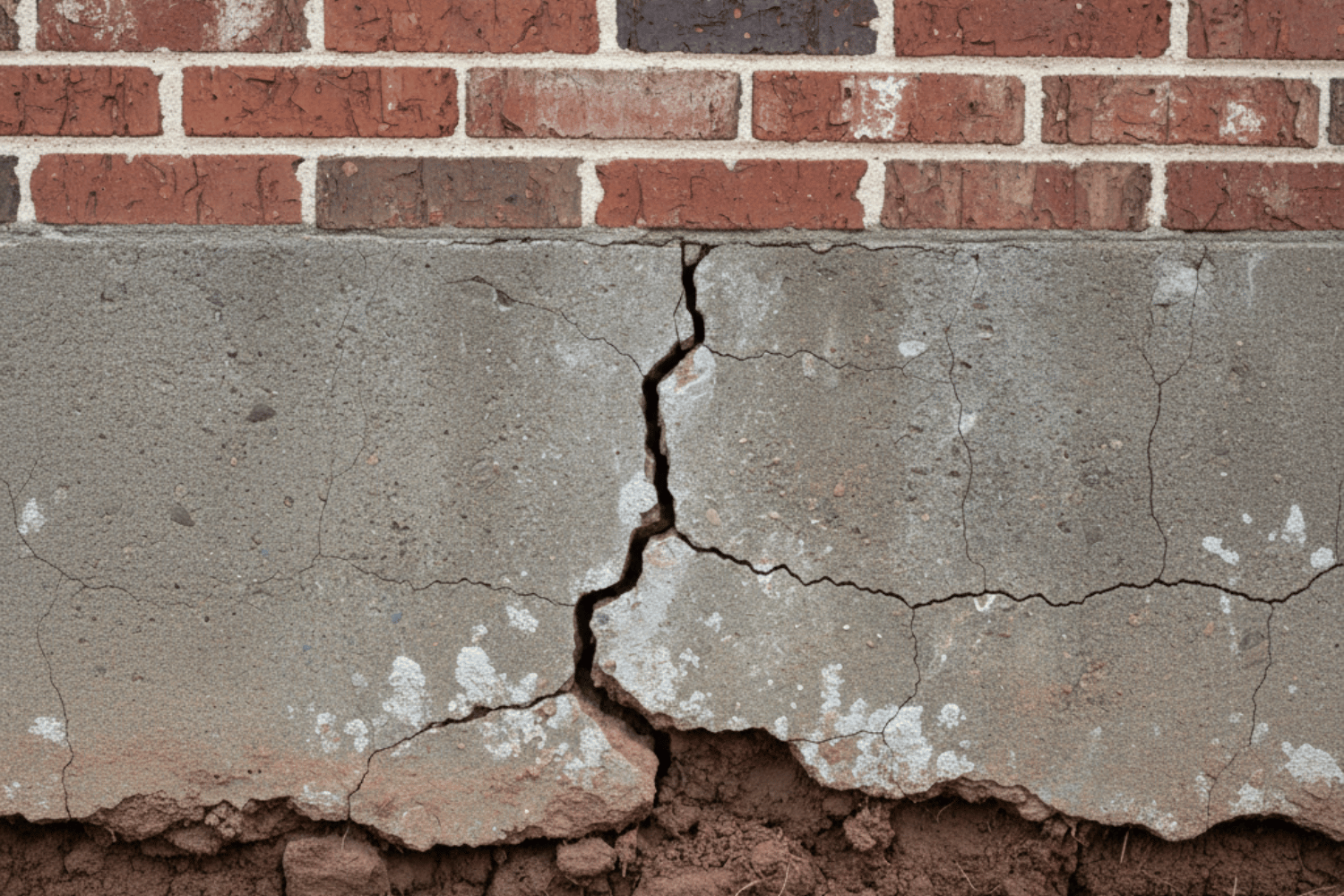
Start your spring maintenance checklist by walking around your property’s exterior to inspect for winter damage. Look carefully at your home’s foundation for new cracks or signs of settling that commonly occur during freeze-thaw cycles. Small foundation cracks can quickly expand, leading to water infiltration and structural problems that become increasingly expensive to repair.
Check your roof for missing or damaged shingles, paying special attention to areas around chimneys, vents, and roof valleys where ice dams commonly form. Even minor roof damage can allow water to penetrate your home’s structure, creating conditions for mold growth and wood rot that threaten both your family’s health and your property value.
Inspect windows and doors for gaps in weather stripping that may have developed during winter. Proper sealing around these openings is essential for energy efficiency and preventing moisture infiltration that can damage interior surfaces and create unhealthy indoor air quality.
HVAC System Preparation
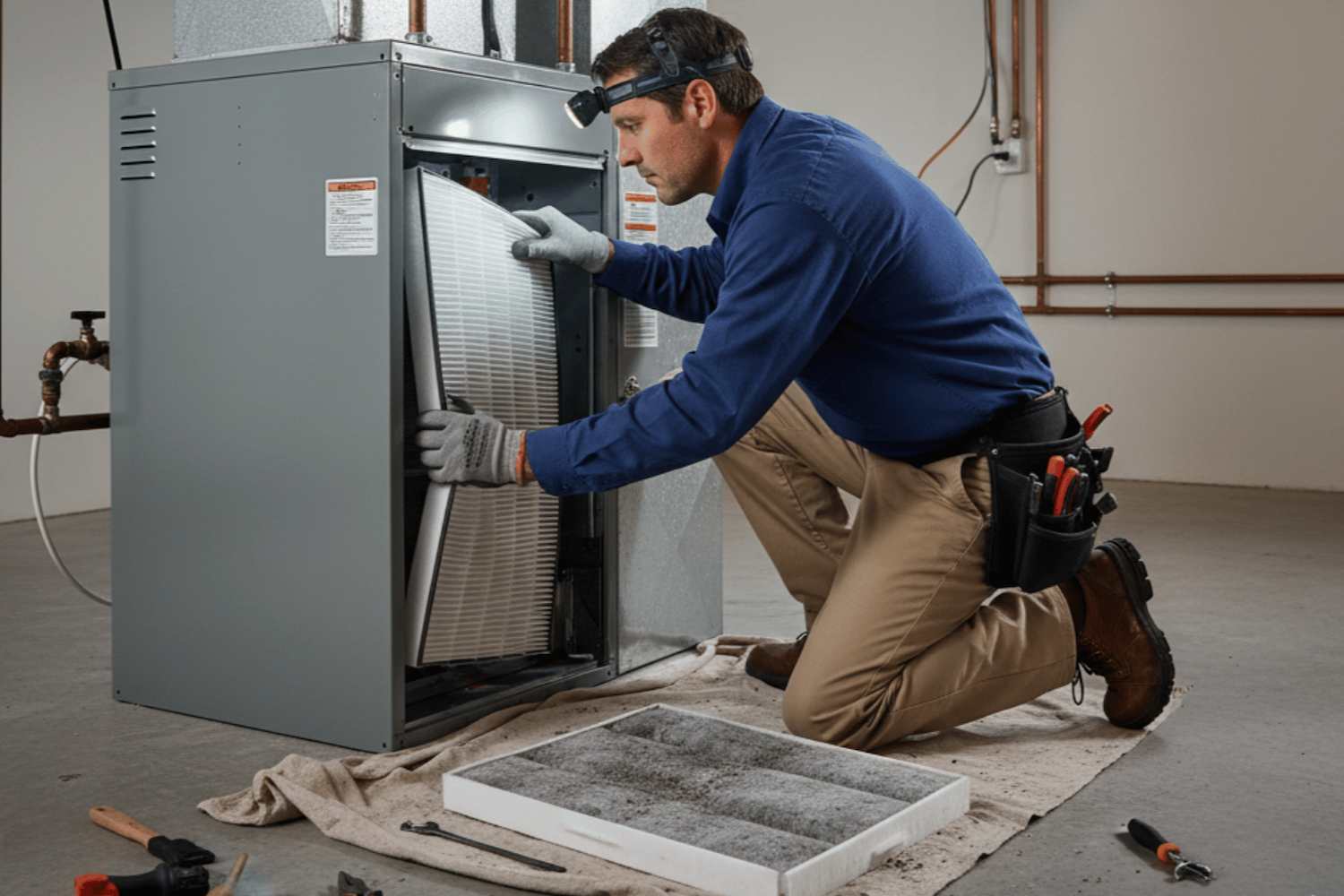
Your hvac system requires professional attention before Missouri’s hot, humid summer months arrive. Schedule a comprehensive tune-up that includes cleaning coils, checking refrigerant levels, and replacing air filters with high-quality options rated MERV 8 or higher to improve efficiency and indoor air quality.
During the service visit, ask your technician to inspect ductwork for leaks that waste energy and increase utility bills. Clean your outdoor condenser unit thoroughly, removing debris and trimming vegetation to maintain at least 24 inches of clearance on all sides. This simple step can significantly improve efficiency and extend your air conditioner’s lifespan.
Test your thermostat’s accuracy and program it for optimal energy efficiency. A properly calibrated and programmed thermostat can reduce cooling costs by 10-15% during Missouri’s demanding summer months while maintaining comfortable indoor temperatures.
Exterior Inspection and Cleaning
Power wash your home’s siding, deck, and driveway to remove winter grime, mildew, and accumulated debris that can harbor moisture and pests. This cleaning process also helps you identify areas where caulking or paint may need attention before summer weather causes further deterioration.
Clean gutters thoroughly, removing leaves, twigs, and other debris that can block water flow and lead to overflow during spring rains. Check gutter attachments and repair any loose sections that could fail during severe weather. Consider installing gutter guards if you haven’t already, as they can significantly reduce future maintenance requirements.
Inspect your fence for loose boards, damaged posts, or hardware that may have loosened during winter weather stress. Addressing these issues promptly prevents further deterioration and maintains your property’s curb appeal—an important factor if you’re considering selling.
Summer Maintenance Tasks (June – August)
Summer in Missouri brings intense heat, high humidity, and frequent severe thunderstorms that can test your home’s systems and structure. Focus your maintenance efforts on keeping cooling systems running efficiently while preparing for the severe weather that characterizes mid-Missouri summers.
Monitor your home’s performance during peak usage months, paying attention to utility bills that can indicate developing problems with insulation, air conditioning efficiency, or other systems. Early detection of issues prevents emergency breakdowns during the hottest days when repair services are most expensive and difficult to schedule.
Cooling System Maintenance
Change air filters monthly during heavy use periods, as dirty filters force your heating system and cooling equipment to work harder, increasing energy consumption and wear. Monitor your monthly energy bills for unusual spikes that might indicate efficiency problems requiring professional attention.
Check refrigerant levels and overall system performance, watching for signs like inadequate cooling, unusual noises, or ice formation on outdoor units. Ensure adequate insulation in attic spaces to reduce cooling costs and prevent heat buildup that can damage roofing materials.
Keep outdoor units clean and unobstructed, trimming landscaping regularly to maintain proper airflow. Clear away fallen branches, leaves, and other debris that can restrict airflow and reduce efficiency.
Outdoor Maintenance
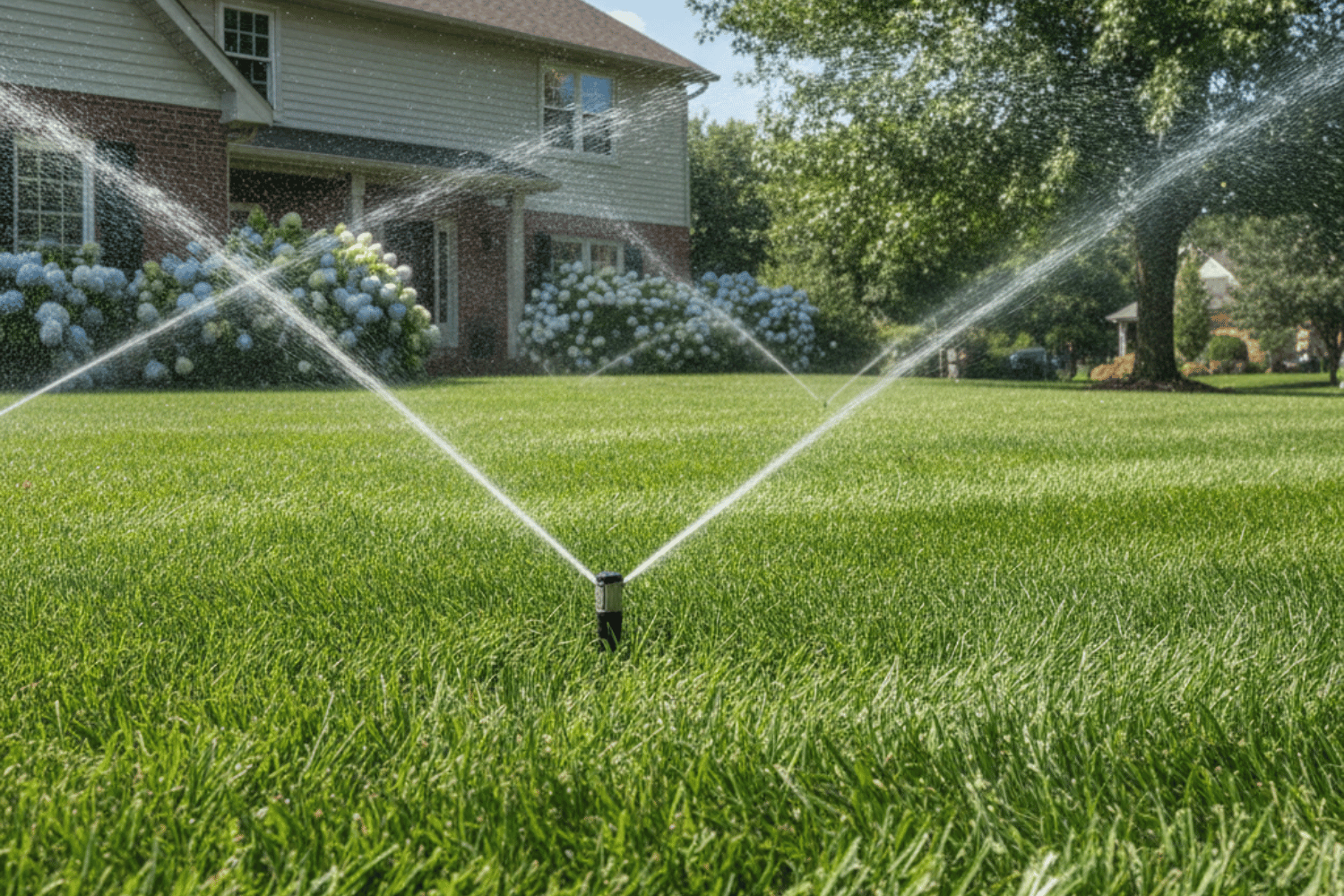
Maintain your irrigation system during dry spells, checking for broken sprinkler heads, leaks, or areas of poor coverage that can lead to brown spots in your lawn. Proper lawn care during summer months helps maintain your property’s curb appeal and prevents soil erosion around your foundation.
Inspect and treat deck staining and sealing before summer weather causes damage. Wood decking requires regular maintenance to prevent rot, splintering, and structural problems that can create safety hazards and reduce property value.
Check outdoor electrical systems and lighting, ensuring GFCI outlets are functioning properly and replacing bulbs in security lighting. Well-maintained outdoor lighting enhances both security and curb appeal while preventing electrical hazards.
Monitor drainage around your foundation during heavy summer rains, watching for areas where water pools or flows toward your house. Poor drainage is one of the leading causes of basement flooding and foundation problems in Missouri homes.
Fall Maintenance Tasks (September – November)
Fall preparation is absolutely critical for mid-Missouri homeowners, as winter weather can arrive suddenly and create emergency situations for unprepared properties. Use the moderate fall weather to complete winterization tasks that protect your home from ice storms, freezing temperatures, and the heavy snow loads that can stress roofing systems.
The investment you make in fall maintenance pays dividends throughout winter by preventing emergency repairs during the coldest months when contractors charge premium rates and materials may be difficult to obtain. Focus on tasks that protect your plumbing, heating system, and exterior surfaces from winter damage.
Heating System Preparation
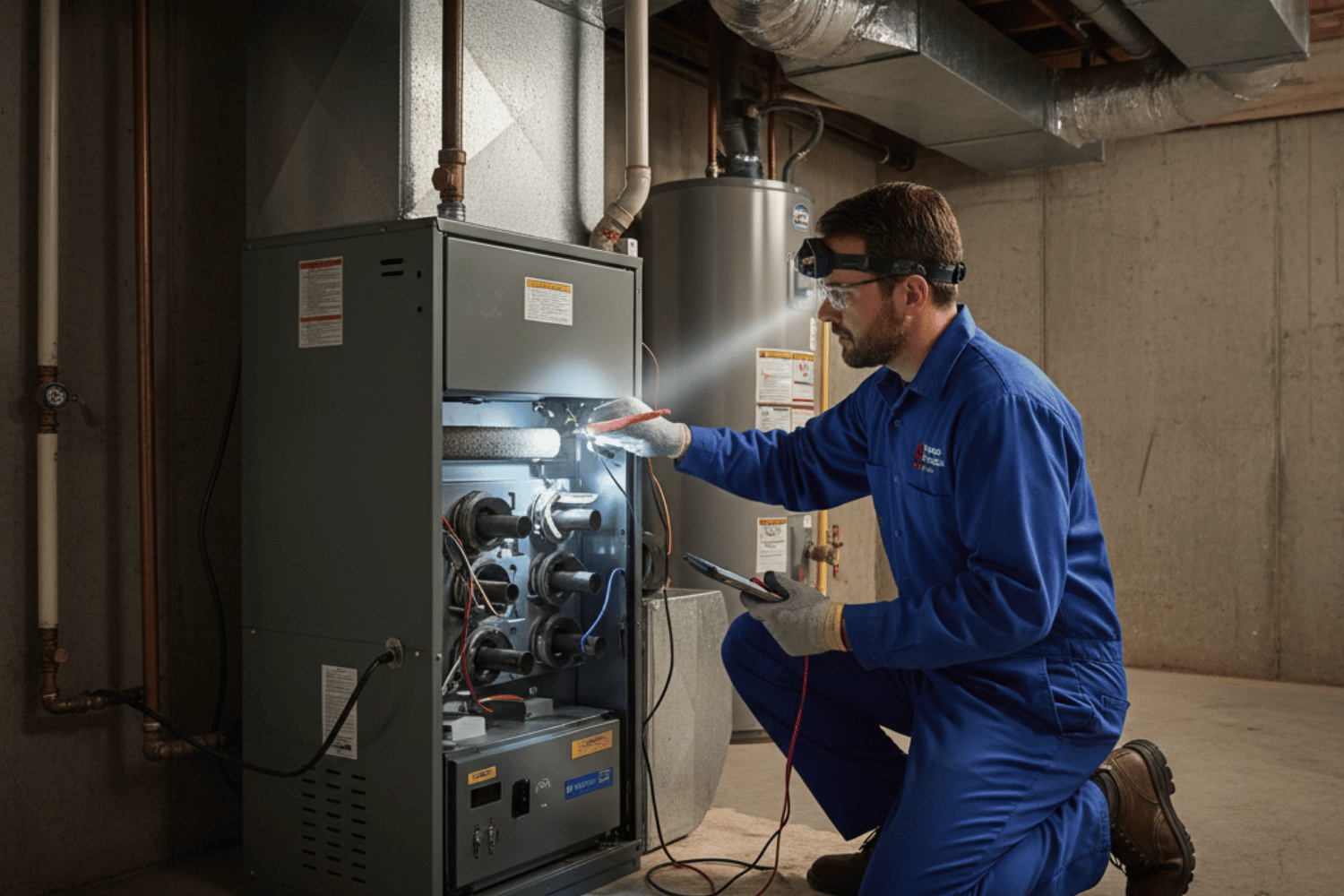
Schedule professional furnace inspection and tune-up before cold weather arrives, ensuring your heating system operates safely and efficiently throughout winter. A properly maintained furnace not only saves money on utility bills but also prevents dangerous carbon monoxide leaks that can threaten your family’s safety.
Replace furnace filters and inspect ductwork for loose connections or damage that can reduce efficiency and create fire hazards. Test your heating system operation before the first freeze, checking that all vents open properly and heat distributes evenly throughout your house.
If your home has a fireplace, schedule professional chimney cleaning and inspection to remove creosote buildup and check for obstructions or structural damage. Clean chimneys prevent house fires and carbon monoxide poisoning while ensuring efficient operation during winter months.
For homes with heat pumps, verify that the system switches properly between heating and cooling modes and that backup heating elements function correctly for extremely cold weather.
Winterization Tasks
Drain and store outdoor hoses, then shut off exterior water valves to prevent freezing and pipe bursts that can cause thousands of dollars in water damage. Install insulated covers over outdoor faucets for additional protection against extreme cold.
Clean gutters thoroughly of leaves and debris before ice formation begins, as blocked gutters create ice dams that can damage roofing and allow water infiltration into your home’s structure. Consider installing heating cables in problem areas where ice dams commonly form.
Seal gaps and cracks around windows, doors, and other openings that allow cold air infiltration, focusing on areas where you can feel drafts or see daylight. Proper weatherstripping and caulking can reduce heating costs by 10-15% while improving comfort.
Check insulation levels in your attic and basement, adding material where needed to meet recommended R-values for Missouri’s climate. Adequate insulation is one of the most cost-effective ways to reduce winter heating bills while preventing ice dam formation.
Trim tree branches that could fall on your house during ice storms, paying special attention to limbs overhanging your roof or near power lines. Ice-laden branches create significant safety hazards and can cause extensive property damage.
Winter Maintenance Tasks (December – February)
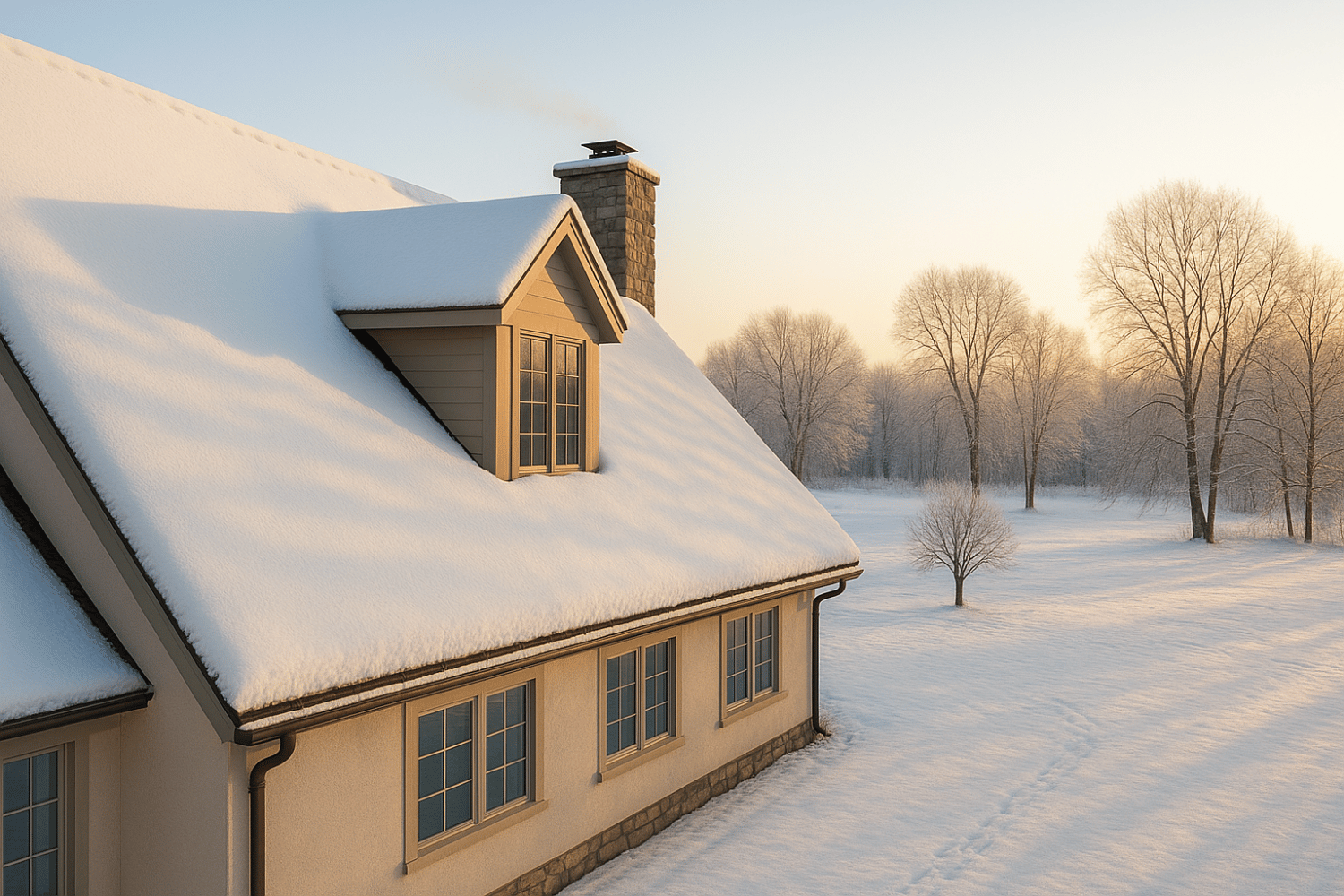
Winter maintenance in Missouri focuses on monitoring your home’s performance during the most challenging weather conditions while maintaining safety systems that protect your family. Regular winter checks help prevent frozen pipes, ice dams, and other cold-weather problems that can create emergency situations.
Emergency preparedness becomes particularly important during ice storms that can leave homes without power for days. Having proper supplies and knowing how to protect your home during extended outages can prevent both property damage and personal hardship.
Cold Weather Monitoring
Check regularly for ice dams forming on roof edges and in gutters, as these formations can cause significant water damage when they melt. Remove snow loads from roofs if accumulation becomes excessive, but always prioritize safety or hire professionals for this dangerous task.
Monitor your basement and crawl spaces for signs of freezing pipes, watching for frost formation, unusual sounds, or reduced water pressure that indicates developing problems. Keep cabinet doors open under sinks to allow warm air circulation around plumbing.
Ensure adequate ventilation to prevent moisture buildup that can lead to mold growth and structural damage. Run exhaust fans in bathrooms and kitchens, and consider using dehumidifiers in basements if humidity levels become excessive.
Keep heating vents clear of furniture, drapes, and other obstructions that can reduce airflow and create fire hazards. Blocked vents force your heating system to work harder, increasing energy costs and wear on equipment.
Emergency Preparedness
Maintain an emergency kit for power outages during ice storms, including flashlights, batteries, non-perishable food, water, and battery-powered radio. Know the location of your main water shut-off valve and how to operate it quickly if pipes freeze or burst.
Keep a backup heating source available and safe to operate, such as a properly maintained fireplace or approved space heater. Never use camping stoves, grills, or other outdoor equipment indoors, as these create deadly carbon monoxide hazards.
Monitor weather forecasts carefully for severe winter weather warnings, and prepare your home in advance by gathering supplies and checking that all systems operate properly. Early preparation prevents last-minute scrambling when stores may be closed and services unavailable.
Test your smoke and carbon monoxide detectors monthly, as heating system malfunctions and increased fireplace use create elevated risks during winter months. Replace batteries immediately if detectors chirp or show low battery warnings.
Year-Round Monthly Tasks

Consistency in home maintenance makes the difference between small repairs and major emergencies. These monthly tasks take minimal time but provide maximum protection for your investment by catching problems early when they’re least expensive to address.
Document your maintenance activities in a notebook or smartphone app, creating a record that helps track system performance and provides valuable information for warranty claims or future home sales. Potential buyers appreciate detailed maintenance records that demonstrate responsible ownership.
Monthly Safety and System Checks
Test smoke and carbon monoxide detectors monthly by pressing the test button and listening for the alarm. Replace batteries every six months, or immediately when low-battery warning chirps begin. Working detectors are your family’s first line of defense against preventable tragedies.
Check HVAC air filters monthly and replace them when dirty, typically every 1-3 months depending on usage and indoor air quality factors. Clean filters improve system efficiency, reduce utility bills, and extend equipment life while maintaining healthy indoor air quality.
Inspect plumbing throughout your house for leaks, unusual sounds, or changes in water pressure that indicate developing problems. Check under sinks, around toilets, and near your water heater for signs of moisture or water damage that require immediate attention.
Walk around your property to identify new issues or changes that need attention, looking for loose siding, damaged landscaping, or other problems that can worsen without prompt repair. Early detection prevents minor issues from becoming major expenses.
Check garage door operation and safety features, including automatic reverse mechanisms and emergency release handles. Garage doors are heavy and can cause serious injury if safety systems fail, making regular testing essential for family protection.
Monitor your monthly utility bills for unusual spikes that indicate system problems, insulation issues, or other efficiency problems requiring investigation. Sudden increases in heating, cooling, or water bills often signal developing problems that cost more to repair if ignored.
Mid-Missouri Specific Considerations
Living in central Missouri presents unique challenges that homeowners in other regions don’t face. Understanding these regional factors helps you prioritize maintenance tasks and prepare for weather events that characterize our local climate.
Ice storm preparation deserves special attention in our region, as these events can devastate unprepared properties while leaving prepared homes relatively unscathed. The difference often lies in advance planning and understanding how ice affects different building materials and systems.
Regional Climate Challenges
Missouri’s clay soil composition creates foundation challenges that require ongoing monitoring and maintenance. Clay soil expands when wet and contracts when dry, creating movement that can crack foundations and damage structures built on inadequate footings.
Humidity control becomes particularly important during summer months when moisture levels can promote mold growth, wood rot, and insect infestations. Proper ventilation, dehumidification, and moisture barriers help protect your home from these humidity-related problems.
Temperature swings of 40-50 degrees in a single day stress building materials, creating expansion and contraction that can loosen fasteners, crack caulking, and cause other structural problems over time. Regular inspection and maintenance help address these issues before they create major problems.
Severe weather frequency in Missouri means your home must withstand high winds, hail, and flooding more often than properties in most other states. Proper maintenance helps ensure your home can weather these storms without sustaining preventable damage.
Local Building Codes and Resources
Understanding local building codes helps you complete maintenance projects safely and legally while protecting your property value. Major maintenance work may require permits, and failing to obtain proper permits can create problems when selling your home.
Regional utility programs offer energy efficiency rebates and free inspections that can help offset maintenance costs while improving your home’s performance. Contact your local utility companies to learn about available programs and incentives.
Seasonal pest control becomes particularly important in Missouri due to our agricultural environment and varied wildlife population. Regular pest management prevents damage from termites, carpenter ants, rodents, and other common regional pests.
Building relationships with local contractors before you need emergency services ensures you have reliable help when problems arise. Research and interview contractors during off-peak seasons when they have time to discuss your home’s specific needs and maintenance requirements.
When to Call Professionals
Knowing when to attempt repairs yourself versus calling professionals can save both money and prevent dangerous situations. While many maintenance tasks are well within most homeowners’ capabilities, some require specialized knowledge, tools, or licensing to complete safely.
Safety should always be your primary concern when deciding whether to tackle maintenance projects yourself. Jobs involving electrical work, gas appliances, structural changes, or roof work typically require professional expertise to complete safely and legally.
Professional Service Recommendations
Schedule annual professional inspections for your hvac system, water heater, and other major mechanical systems. These inspections cost far less than emergency repairs and often identify small problems before they become expensive failures.
Electrical work beyond simple outlet or switch replacement requires licensed electricians to ensure safety and code compliance. Improper electrical work creates fire hazards and can void insurance coverage if problems cause damage.
Plumbing repairs involving main lines, gas connections, or major system modifications require professional expertise and often special permits. Attempting these repairs yourself can create expensive problems and safety hazards.
Roofing work presents significant safety risks and requires specialized knowledge to prevent leaks and structural damage. Professional roofers have the equipment, experience, and insurance to complete this work safely and effectively.
Choosing Qualified Contractors
Research contractors thoroughly before hiring, checking licenses, insurance coverage, and references from recent customers. Avoid door-to-door solicitors and anyone demanding full payment upfront, as these are common indicators of fraudulent operators.
Get multiple quotes for major work, but remember that the lowest bid isn’t always the best value. Consider experience, materials quality, warranty coverage, and timeline when making decisions about contractor selection.
Verify that contractors carry adequate insurance and bonding to protect you from liability if accidents occur during work. Request certificates of insurance and verify coverage directly with insurance companies when projects involve significant risk.
Document all work with contracts that specify materials, timeline, costs, and warranty coverage. Clear documentation prevents misunderstandings and provides protection if problems arise after project completion.
Budget Planning for Maintenance
Plan to invest 1-3% of your home’s value annually in maintenance and repairs, setting aside money each month to avoid financial stress when larger projects become necessary. Regular maintenance costs far less than emergency repairs.
Create separate budgets for routine maintenance versus unexpected repairs, recognizing that even well-maintained homes occasionally require expensive system replacements or storm damage repairs that exceed normal maintenance budgets.
Consider maintenance contracts for major systems like hvac equipment, as these programs often provide priority service, cost savings, and peace of mind during extreme weather events when emergency service calls become expensive.
Track your maintenance expenses for tax purposes, as some energy efficiency improvements and rental property maintenance may qualify for deductions or credits that offset your investment costs.
FAQ
How often should I clean my gutters in Mid-Missouri given our frequent storms?
Clean gutters at least twice yearly—once in late spring after tree pollen settles and again in late fall after leaves finish falling. However, if your property has large trees or experiences frequent storms, you may need quarterly cleaning to prevent blockages that can cause water damage during heavy rains.
What’s the best time to schedule HVAC maintenance in central Missouri’s climate?
Schedule air conditioning maintenance in early spring (March-April) and heating system maintenance in early fall (September-October). This timing ensures your systems are ready for peak usage seasons while avoiding the rush periods when technicians are busiest and emergency service costs are highest.
How can I prevent ice dams on my roof during Missouri winters?
Ensure adequate attic insulation (R-38 to R-60 for Missouri), proper attic ventilation, and seal air leaks that allow warm air into the attic space. Keep gutters clean and consider installing heating cables in problem areas. Remove snow from roof edges when safe to do so, but always prioritize safety over property protection.
Should I be concerned about foundation issues with Missouri’s clay soil?
Yes, Missouri’s expansive clay soil requires ongoing attention. Monitor for new cracks, ensure proper drainage away from your foundation, and maintain consistent moisture levels around your home’s perimeter. Avoid planting large trees too close to your foundation and address drainage problems promptly to prevent soil movement.
What emergency supplies should Mid-Missouri homeowners keep for severe weather?
Maintain at least three days of water (one gallon per person daily), non-perishable food, flashlights, batteries, battery-powered radio, first aid kit, medications, and cash. For winter storms, add extra blankets, alternative heating source (if safe), and rock salt or sand for walkways. Keep supplies in an easily accessible location that won’t be affected by power outages.